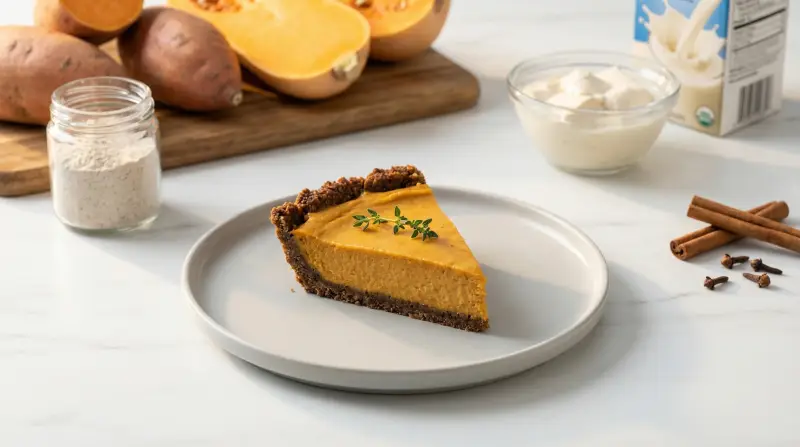
Low-Glycemic Sweet Potato Butternut Pie with Rye Crust
A blood sugar-friendly dessert featuring fiber-rich sweet potato and squash in a wholesome rye crust, sweetened naturally with minimal honey for stable glucose levels.
This innovative pie transforms traditional holiday dessert into a diabetes-friendly masterpiece that won't spike your blood sugar. By combining nutrient-dense sweet potato and buttercup squash with protein-rich silken tofu and fiber-packed rye flour, we've created a filling that digests slowly and provides sustained energy without the glucose roller coaster.
The secret to this pie's low glycemic impact lies in its thoughtful ingredient selection. Sweet potatoes, despite their name, have a moderate glycemic index when paired with protein and fat. The silken tofu adds creaminess while providing plant-based protein that slows carbohydrate absorption. Rye flour contributes additional fiber and has a lower GI than wheat flour. We've minimized honey to just 3 tablespoons for the entire pie, relying instead on warming spices like cinnamon, ginger, and nutmeg to enhance natural sweetness—spices that research suggests may even improve insulin sensitivity.
For optimal blood sugar management, enjoy a slice alongside a handful of nuts or after a protein-rich meal. The combination of complex carbohydrates, plant protein, and aromatic spices makes this pie not just a treat, but a nutritious addition to your low-glycemic eating plan. Each serving provides vitamins A and C, fiber, and antioxidants while keeping your glucose levels stable.
Blood Sugar Impact
This pie will cause a moderate, gradual rise in blood sugar due to its medium glycemic load of 19.4 and low-to-medium GI of 45. The combination of fiber-rich rye flour, protein from tofu and egg white, and whole food ingredients should provide steady energy for 2-3 hours without sharp spikes.
Blood Sugar Tips
- ✓ Eat a small portion (1 slice) and pair it with a protein source like Greek yogurt or nuts to further slow glucose absorption
- ✓ Have this dessert after a meal containing vegetables and protein rather than on an empty stomach
- ✓ Take a 10-15 minute walk after eating to help muscles absorb glucose and blunt the blood sugar rise
🥗 Ingredients
- 113 g sweet potato, peeled and cooked
- 1134 g buttercup squash, peeled, seeded and cooked
- 120 g silken tofu
- 120 ml unsweetened soy milk
- 60 ml egg whites
- 30 g rye flour
- 0.5 tsp ground clove
- 0.5 tsp ground cinnamon
- 0.5 tsp ground nutmeg
- 0.5 tsp pure vanilla extract
- 1 tsp fresh ginger, grated
- 1 tsp orange zest
- 3 tbsp raw honey
- 1 pcs 9-inch whole grain pie shell, frozen
- 4.0 oz sweet potato, peeled and cooked
- 2.5 lb buttercup squash, peeled, seeded and cooked
- 4.2 oz silken tofu
- 8 tbsp unsweetened soy milk
- 4 tbsp egg whites
- 1.1 oz rye flour
- 0.5 tsp ground clove
- 0.5 tsp ground cinnamon
- 0.5 tsp ground nutmeg
- 0.5 tsp pure vanilla extract
- 1 tsp fresh ginger, grated
- 1 tsp orange zest
- 3 tbsp raw honey
- 1 pcs 9-inch whole grain pie shell, frozen
👨🍳 Instructions
- 1
Position oven rack in the center and preheat your oven to 300°F (150°C). This lower temperature ensures gentle, even cooking that prevents cracking and maintains the pie's creamy texture.
- 2
Ensure your sweet potato and buttercup squash are fully cooked and cooled slightly. Transfer them to a food processor and blend on high speed for 60-90 seconds until completely smooth with no lumps remaining.
- 3
Transfer the pureed squash mixture to a large mixing bowl. Add the silken tofu, unsweetened soy milk, egg whites, and rye flour to the bowl.
- 4
Incorporate all the aromatic spices: ground clove, cinnamon, nutmeg, vanilla extract, freshly grated ginger, and orange zest. Add the honey last. Using a whisk or electric mixer, blend everything together for 2-3 minutes until the filling is silky smooth and completely homogeneous.
- 5
Place your frozen pie shell on a rimmed baking sheet to catch any potential drips. If desired, crimp the edges decoratively. Keep the shell frozen until ready to fill.
- 6
Carefully pour the prepared filling into the pie shell, using a spatula to scrape every bit from the bowl. Gently tap the baking sheet on the counter twice to release any air bubbles.
- 7
Transfer to the preheated oven and bake for 45-55 minutes. The pie is done when the edges are set but the center still has a slight jiggle, and an instant-read thermometer inserted into the center registers 180°F (82°C).
- 8
Remove from oven and cool completely on a wire rack for at least 2 hours before slicing. For best blood sugar management, serve with a small handful of walnuts or pecans, and consider eating after a meal containing protein and healthy fats rather than on an empty stomach.
📊 Nutrition Per Serving
| Per Serving | Whole Dish | |
|---|---|---|
| Calories | 209 | 1675 |
| Carbs | 37g | 294g |
| Sugars | 12g | 96g |
| Added Sugars | 0g | 2g |
| Natural Sugars | 12g | 94g |
| Protein | 5g | 43g |
| Fat | 6g | 47g |
| Saturated Fat | 2g | 16g |
| Unsaturated Fat | 4g | 28g |
| Fiber | 4g | 30g |
| Soluble Fiber | 0g | 1g |
| Insoluble Fiber | 0g | 2g |
| Sodium | 101mg | 807mg |
Predicted Glucose Response
What if you...
Estimated model — individual responses vary. Not medical advice.
🔄 Lower GI Swaps
These zero-glycemic sweeteners provide sweetness without raising blood sugar at all, whereas honey has a GI of 58 and contributes significantly to glycemic load
Pumpkin has a lower glycemic index (75 vs 94 for sweet potato) and lower carbohydrate density, while kabocha squash has even better blood sugar impact with more fiber and less starch
Nut and seed flours have dramatically lower glycemic impact than grain flours, with almond flour having a GI around 0-1 compared to rye flour's GI of 40-50, plus they add protein and healthy fats that further slow glucose absorption
These nut-based milks typically have less than 1g carbohydrate per serving compared to soy milk's 4-5g, resulting in negligible glycemic impact while maintaining creamy texture
🔬 The Science Behind This Recipe
The Science Behind This Blood Sugar-Friendly Dessert
This sweet potato butternut pie proves that satisfying desserts can work with your metabolism, not against it. With a glycemic index of 45 and a moderate glycemic load of 19.4 per serving, this pie releases glucose slowly into your bloodstream—about half the speed of traditional pumpkin pie made with refined flour and heavy cream. The secret lies in the strategic combination of fiber-rich vegetables, plant-based protein, and a whole grain crust that creates a nutritional buffer against blood sugar spikes.
Sweet potatoes and butternut squash are the stars here, delivering natural sweetness along with soluble fiber that slows digestion and glucose absorption. Unlike their white potato cousins, these orange vegetables contain resistant starch and pectin that literally slow down the breakdown of carbohydrates in your digestive tract. The silken tofu and soy milk add another layer of metabolic protection—their protein and fat content further delays gastric emptying, meaning sugars enter your bloodstream gradually rather than flooding in all at once. This is why the glycemic load remains moderate despite the natural sugars present: the total package matters more than any single ingredient.
The rye crust is your final defense against glucose spikes. Rye flour contains more fiber and a different gluten structure than wheat, which research shows produces a gentler blood sugar response. To maximize this pie's benefits, enjoy it after a meal that includes protein and healthy fats, or pair your slice with a handful of nuts. The combination will keep your glucose curve gentle and your energy stable—no sugar crash required. Remember, glycemic load accounts for portion size, so mindful serving sizes help maintain that blood sugar balance.
Related recipes
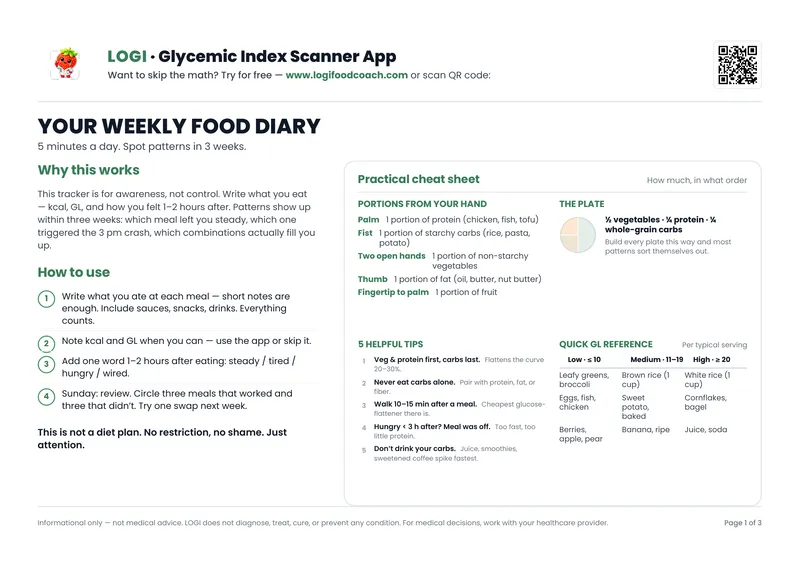
Free PDF — 3 pages
Your Weekly Food Journal
Track meals, glycemic load & mood. Spot patterns in 3 weeks.
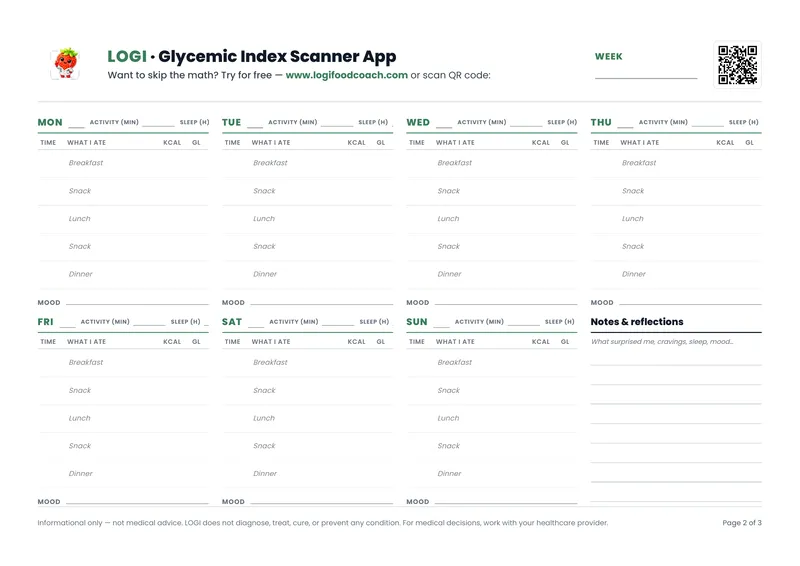
No spam. Unsubscribe anytime.