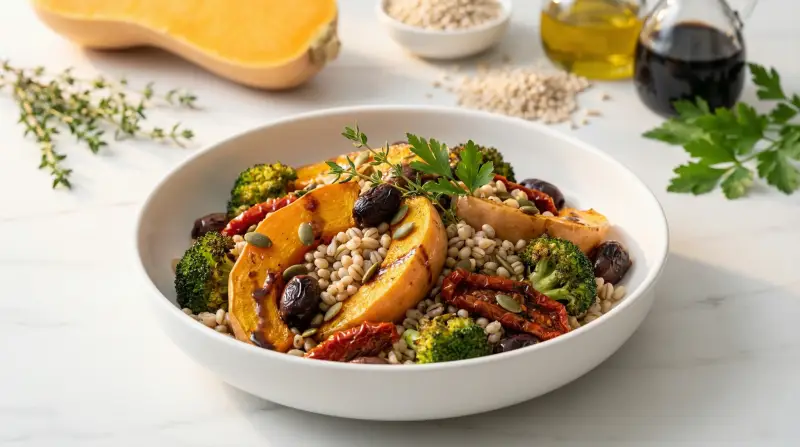
Roasted Butternut Squash and Pearl Barley Salad with Balsamic Dressing
A nutrient-dense, fiber-rich salad featuring low-GI pearl barley and roasted squash—perfect for steady blood sugar levels and sustained energy throughout the day.
This vibrant Mediterranean-inspired salad is a powerhouse for blood sugar management, built around pearl barley—one of the lowest glycemic grains available with a GI of just 28. The combination of fiber-rich barley, roasted butternut squash, and Tenderstem broccoli creates a satisfying meal that releases energy slowly and steadily.
The magic of this recipe lies in its thoughtful ingredient pairing. Pearl barley's soluble fiber (beta-glucan) slows glucose absorption, while the healthy fats from extra-virgin olive oil and pumpkin seeds further moderate the glycemic response. While butternut squash has a moderate GI of 27-75 when eaten alone, its impact is significantly reduced in this recipe through careful portioning (approximately 150g per serving) and pairing with the dominant low-GI barley, protein-rich seeds, and healthy fats. The addition of broccoli provides chromium, a mineral that supports insulin function.
This salad works beautifully as a complete meal or substantial side dish. For optimal blood sugar control, enjoy it at room temperature or slightly warm, and consider eating the broccoli and greens first to prime your digestive system. The recipe keeps well for three days, making it ideal for meal prep—the flavors actually deepen over time as the barley absorbs the tangy balsamic vinaigrette. Each serving delivers approximately 8-10g of fiber and has a low overall glycemic load of 12.8, making it an excellent choice for anyone managing their glucose levels.
Blood Sugar Impact
This meal will have a low to moderate blood sugar impact due to the combination of fiber-rich pearl barley, butternut squash, and vegetables. Expect a gradual, sustained rise in blood sugar with stable energy lasting 4-5 hours, making it excellent for blood sugar management.
Blood Sugar Tips
- ✓ Eat the broccoli and other vegetables first before the barley and squash to slow glucose absorption through increased fiber intake
- ✓ Add a protein source like grilled chicken, chickpeas, or feta cheese to further blunt the glycemic response and increase satiety
- ✓ Take a 10-15 minute walk after eating to help muscles absorb glucose and reduce post-meal blood sugar elevation
🥗 Ingredients
- 1 pcs butternut squash, peeled and cut into long pieces
- 1 tbsp olive oil for roasting
- 250 g pearl barley
- 300 g Tenderstem broccoli, cut into medium pieces
- 100 g sun-dried tomatoes, sliced
- 1 pcs small red onion, diced
- 2 tbsp pumpkin seeds
- 1 tbsp small capers, rinsed
- 15 pcs black olives, pitted
- 20 g fresh basil, chopped
- 5 tbsp balsamic vinegar
- 6 tbsp extra-virgin olive oil
- 1 tbsp Dijon mustard
- 1 pcs garlic clove, finely chopped
- 1 pcs butternut squash, peeled and cut into long pieces
- 1 tbsp olive oil for roasting
- 8.8 oz pearl barley
- 10.6 oz Tenderstem broccoli, cut into medium pieces
- 3.5 oz sun-dried tomatoes, sliced
- 1 pcs small red onion, diced
- 2 tbsp pumpkin seeds
- 1 tbsp small capers, rinsed
- 15 pcs black olives, pitted
- 0.7 oz fresh basil, chopped
- 5 tbsp balsamic vinegar
- 6 tbsp extra-virgin olive oil
- 1 tbsp Dijon mustard
- 1 pcs garlic clove, finely chopped
👨🍳 Instructions
- 1
Preheat your oven to 200°C (400°F/Gas Mark 6). Arrange the butternut squash cubes on a large baking tray, drizzle with 2 tablespoons olive oil, and toss to coat evenly. Season lightly with salt and pepper, then roast for 25-30 minutes until tender and lightly caramelized at the edges, turning once halfway through. The light oil coating helps moderate the glycemic response.
- 2
While the squash roasts, bring a large pot of salted water to a boil. Add the pearl barley and cook for approximately 25-30 minutes, stirring occasionally, until the grains are tender but still have a pleasant chew (al dente texture). The barley should be soft enough to eat comfortably but not mushy. Boiling is the preferred cooking method to maintain the lowest possible GI.
- 3
Prepare the balsamic vinaigrette by whisking together 3 tablespoons balsamic vinegar, 4 tablespoons extra-virgin olive oil, 1 teaspoon Dijon mustard, and the finely minced garlic clove in a small bowl. Season generously with salt and freshly ground black pepper. Whisk vigorously until the dressing is well emulsified and slightly thickened. The healthy fats in this dressing help slow glucose absorption.
- 4
When the barley is cooked, drain it thoroughly in a fine-mesh sieve and transfer to a large mixing bowl. Immediately pour the balsamic vinaigrette over the hot barley and stir well to ensure every grain is coated. Allow the dressed barley to cool to room temperature, stirring occasionally—this helps the grains absorb the flavorful dressing and allows resistant starch to form, further lowering the glycemic impact.
- 5
Bring a medium pot of salted water to a boil and add the Tenderstem broccoli pieces. Cook for 3-4 minutes until just tender and bright green—you want them to retain some crunch. Drain immediately and rinse under cold running water to stop the cooking process and preserve the vibrant color. Pat the broccoli dry with a clean kitchen towel.
- 6
Remove the roasted butternut squash from the oven and let it cool slightly. Once the barley has reached room temperature, add the roasted squash, blanched broccoli, sliced sun-dried tomatoes, diced red onion, pumpkin seeds, rinsed capers, and pitted black olives to the bowl.
- 7
Add the freshly chopped basil to the salad and gently fold all ingredients together until evenly distributed, being careful not to break up the squash pieces too much. Taste and adjust seasoning with additional salt, pepper, or a splash more balsamic vinegar if desired. Serve at room temperature or chilled. This salad stores beautifully in an airtight container in the refrigerator for up to 3 days. For optimal blood sugar control, consider eating the vegetables first before the barley and squash.
📊 Nutrition Per Serving
| Per Serving | Whole Dish | |
|---|---|---|
| Calories | 276 | 2208 |
| Carbs | 35g | 282g |
| Sugars | 10g | 77g |
| Natural Sugars | 10g | 77g |
| Protein | 6g | 46g |
| Fat | 15g | 118g |
| Saturated Fat | 2g | 17g |
| Unsaturated Fat | 13g | 101g |
| Fiber | 7g | 53g |
| Soluble Fiber | 1g | 6g |
| Insoluble Fiber | 2g | 13g |
| Sodium | 146mg | 1170mg |
Predicted Glucose Response
What if you...
Estimated model — individual responses vary. Not medical advice.
🔄 Lower GI Swaps
Hulled barley has a lower glycemic index (25-30) compared to pearled barley (35), as it retains more fiber. Steel-cut oats and quinoa also have lower GI values and provide more sustained energy release.
Butternut squash has a moderate GI of 51. Zucchini, cauliflower, and bell peppers are non-starchy vegetables with GI values under 15, significantly reducing the overall glycemic load of the dish.
Balsamic vinegar contains more natural sugars (about 2-3g per tablespoon) than other vinegars. Apple cider vinegar, red wine vinegar, and lemon juice have negligible sugar content and may even help improve insulin sensitivity.
Sun-dried tomatoes are concentrated and contain more sugar per serving (about 2-3g per tablespoon) than fresh tomatoes. Fresh tomatoes and roasted red peppers provide similar flavor with lower sugar concentration and better blood sugar impact.
🔬 The Science Behind This Recipe
This hearty salad is a masterclass in blood sugar-friendly eating, with a remarkably low glycemic index of 27 and a glycemic load of just 12.8 per serving. The star player here is pearl barley, a whole grain powerhouse packed with soluble fiber called beta-glucan. This special type of fiber forms a gel-like substance in your digestive tract, slowing down the breakdown of carbohydrates and creating a gradual, steady release of glucose into your bloodstream rather than a sharp spike. When paired with butternut squash—which, despite its natural sweetness, has a moderate glycemic impact thanks to its fiber content—the barley helps buffer any potential blood sugar rise even further.
The addition of broccoli and sun-dried tomatoes brings more than just flavor and nutrition to the table. Broccoli is exceptionally low in carbohydrates while being rich in fiber and plant compounds that may help improve insulin sensitivity. The sun-dried tomatoes contribute healthy plant nutrients without adding significant carbohydrates, while the olive oil plays a crucial metabolic role. Healthy fats like those in olive oil dramatically slow gastric emptying, meaning your stomach takes longer to process the meal. This extended digestion time translates directly to a more gradual glucose release, preventing the rapid blood sugar swings that leave you feeling tired and hungry shortly after eating.
To maximize the blood sugar benefits of this dish, try eating the broccoli and other vegetables first, followed by the barley and squash. This "food sequencing" strategy can reduce post-meal glucose spikes by up to 73% in some studies. A 15-minute walk after enjoying this satisfying salad will help your muscles absorb glucose more efficiently, further smoothing out your blood sugar curve.
Related recipes
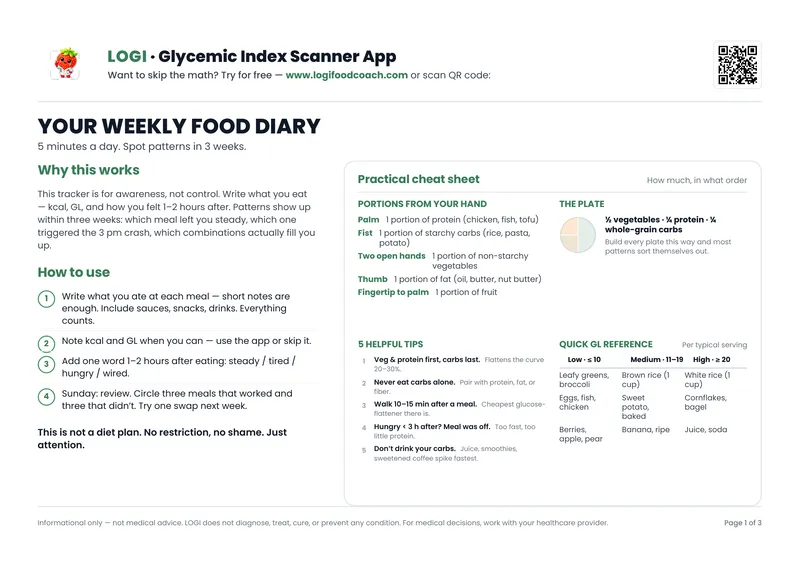
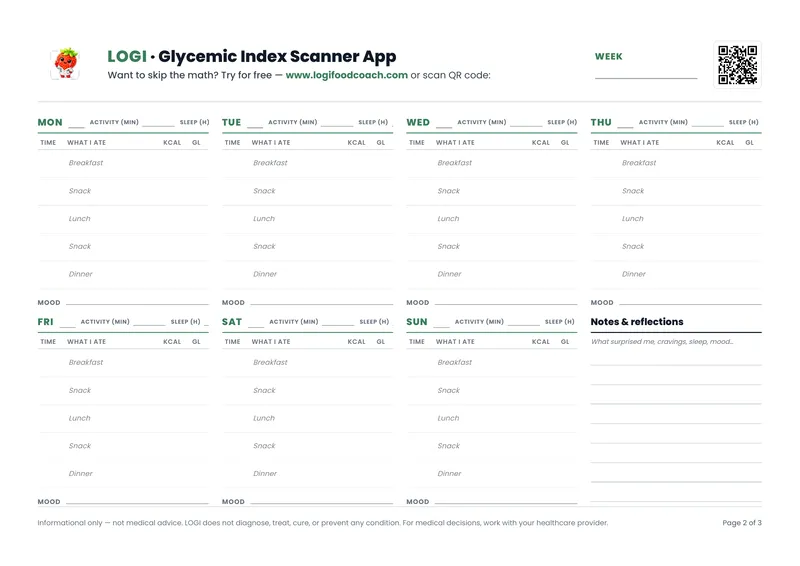
Free PDF — 3 pages
Your Weekly Food Journal
Track meals, glycemic load & mood. Spot patterns in 3 weeks.
No spam. Unsubscribe anytime.