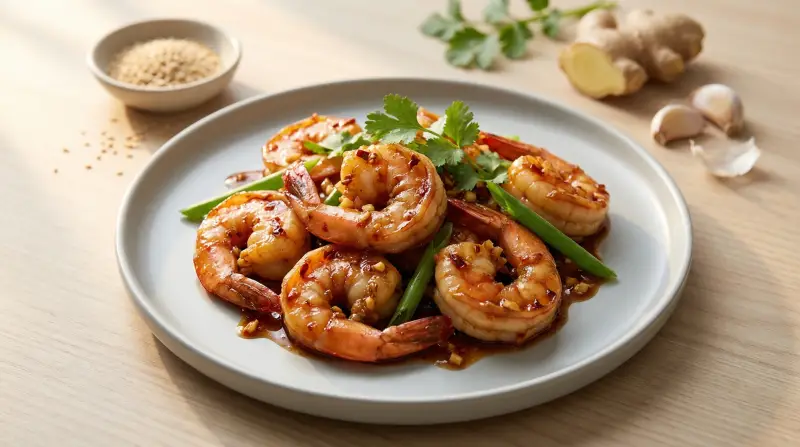
Low-Glycemic Sesame Ginger Shrimp
Succulent shrimp in a blood sugar-friendly Asian marinade with fresh ginger and garlic. Quick, flavorful, and perfect for stable glucose levels.
This protein-rich shrimp dish is specifically designed for optimal blood sugar management. Shrimp provides high-quality lean protein with virtually zero carbohydrates, making it an excellent choice for maintaining stable glucose levels. The marinade features fresh ginger and garlic, both known for their anti-inflammatory properties and potential to improve insulin sensitivity.
We've reduced the brown sugar significantly from traditional recipes and balanced it with healthy fats from sesame oil, which slows glucose absorption. The combination of protein, healthy fats, and minimal carbohydrates creates a low-glycemic meal that won't spike your blood sugar. Fresh ginger not only adds bold flavor but may also help regulate blood glucose levels according to recent studies.
This versatile dish pairs beautifully with non-starchy vegetables like bok choy, broccoli, or zucchini noodles. For optimal glycemic control, start your meal with a fiber-rich salad, then enjoy the shrimp with vegetables. The high protein content will keep you satisfied for hours while supporting steady energy levels throughout your day.
Blood Sugar Impact
Minimal blood sugar impact expected due to the very low glycemic load of 2.4 and moderate GI of 40. The high protein content from shrimp combined with healthy fats from sesame oil will promote stable blood sugar levels for 3-4 hours with minimal spike.
Blood Sugar Tips
- ✓ Pair this dish with non-starchy vegetables like broccoli, bok choy, or snap peas to add fiber and further slow glucose absorption
- ✓ Serve over cauliflower rice instead of white rice to keep the overall meal low-glycemic
- ✓ Take a 10-15 minute walk after eating to help muscles absorb glucose and prevent any minor blood sugar elevation from the brown sugar
🥗 Ingredients
- 6 tbsp low-sodium soy sauce
- 1.5 tbsp brown sugar
- 2 tbsp toasted sesame oil
- 2 tbsp fresh ginger, minced
- 4 pcs garlic cloves, minced
- 1 tsp red pepper flakes
- 12 oz large shrimp, peeled and deveined
- 6 tbsp low-sodium soy sauce
- 1.5 tbsp brown sugar
- 2 tbsp toasted sesame oil
- 2 tbsp fresh ginger, minced
- 4 pcs garlic cloves, minced
- 1 tsp red pepper flakes
- 12 oz large shrimp, peeled and deveined
👨🍳 Instructions
- 1
Prepare the marinade by whisking together the low-sodium soy sauce, brown sugar, sesame oil, minced ginger, minced garlic, and red pepper flakes in a medium mixing bowl until the sugar dissolves completely.
- 2
Add the peeled and deveined shrimp to the marinade, tossing gently to ensure each piece is thoroughly coated with the flavorful mixture.
- 3
Cover the bowl and refrigerate for 30 minutes, allowing the shrimp to absorb the aromatic flavors. Avoid marinating longer than 1 hour as the acid can begin to cook the shrimp.
- 4
When ready to cook, spray a large nonstick skillet or sauté pan with cooking spray and place over medium-high heat until the pan is hot but not smoking.
- 5
Remove shrimp from marinade using a slotted spoon, reserving half of the marinade liquid. Add shrimp to the hot pan in a single layer and cook undisturbed for 1 minute until the bottoms turn pink.
- 6
Flip the shrimp and pour the reserved marinade into the pan. Continue cooking for 30-45 seconds until shrimp are opaque throughout and the marinade reduces slightly into a glaze.
- 7
Transfer shrimp immediately to serving plates and drizzle with the pan sauce. Discard any unused marinade. Serve hot with non-starchy vegetables or cauliflower rice for a complete low-glycemic meal.
📊 Nutrition Per Serving
| Per Serving | Whole Dish | |
|---|---|---|
| Calories | 124 | 743 |
| Carbs | 5g | 32g |
| Sugars | 3g | 19g |
| Added Sugars | 3g | 17g |
| Natural Sugars | 0g | 1g |
| Protein | 15g | 91g |
| Fat | 5g | 30g |
| Saturated Fat | 1g | 4g |
| Unsaturated Fat | 4g | 26g |
| Fiber | 0g | 2g |
| Insoluble Fiber | 0g | 1g |
| Sodium | 910mg | 5462mg |
Predicted Glucose Response
What if you...
Estimated model — individual responses vary. Not medical advice.
🔄 Lower GI Swaps
These zero-calorie sweeteners have no impact on blood sugar (GI of 0) compared to brown sugar which has a GI of 64 and causes rapid glucose spikes.
Standard soy sauce often contains added sugars that raise glycemic load. Coconut aminos and sugar-free tamari provide the same umami flavor without affecting blood glucose levels.
While sesame oil has minimal blood sugar impact, extra virgin olive oil and avocado oil contain more monounsaturated fats and polyphenols that improve insulin sensitivity and help stabilize post-meal glucose response.
🔬 The Science Behind This Recipe
# Why This Recipe Works for Blood Sugar Balance
This Sesame Ginger Shrimp is a masterclass in low-glycemic eating, with a remarkably low glycemic load of just 2.4 per serving. The star here is shrimp itself—a pure protein source with virtually zero carbohydrates. Protein slows gastric emptying, meaning food moves through your digestive system more gradually, preventing the rapid blood sugar spikes associated with high-carb meals. When you eat protein-rich foods like shrimp, your body releases less insulin and maintains steadier glucose levels throughout the day. The small amount of brown sugar used for flavor contributes minimal carbohydrates when distributed across servings, keeping the overall impact negligible.
The supporting ingredients amplify these benefits through complementary mechanisms. Ginger has been shown in studies to improve insulin sensitivity and may help muscles absorb glucose more efficiently. Sesame oil provides healthy fats that further slow digestion and carbohydrate absorption—this is why adding fat to meals helps blunt glucose responses. Garlic contains compounds that may support healthy blood sugar metabolism, though you're primarily enjoying it for its flavor punch. Together, these ingredients create a satisfying meal that won't trigger the rollercoaster of energy crashes and cravings.
To maximize blood sugar stability, pair this dish with non-starchy vegetables like bok choy, snap peas, or broccoli served first. If you're adding rice, choose a small portion of brown rice and eat it last, after the protein and vegetables. Consider taking a 10-15 minute walk after your meal—light movement helps your muscles use glucose, naturally lowering post-meal blood sugar levels. This recipe proves that managing glycemic response doesn't mean sacrificing bold, delicious flavors.
Related recipes
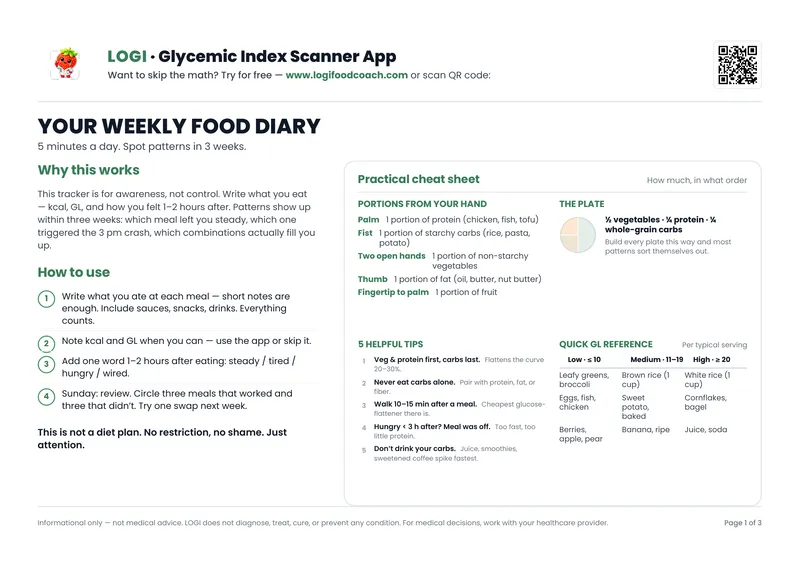
Free PDF — 3 pages
Your Weekly Food Journal
Track meals, glycemic load & mood. Spot patterns in 3 weeks.
No spam. Unsubscribe anytime.