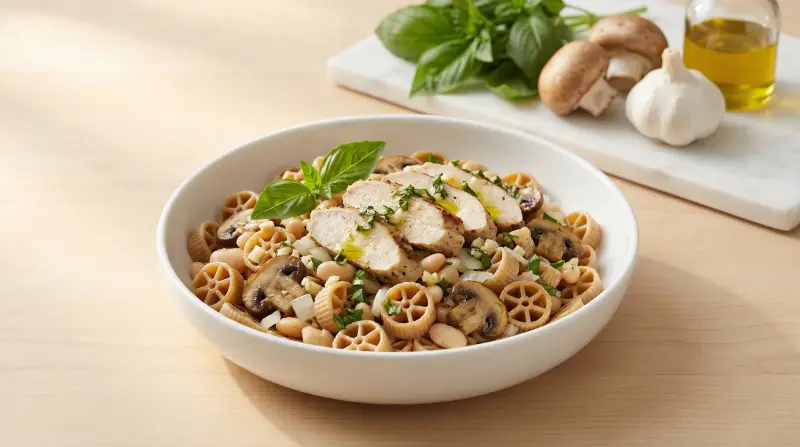
Low-Glycemic Grilled Chicken Pasta with White Beans and Mushrooms
A blood sugar-friendly Italian pasta featuring lean grilled chicken, fiber-rich white beans, and earthy mushrooms—perfect for sustained energy without the spike.
This thoughtfully crafted pasta dish transforms a classic Italian combination into a low-glycemic powerhouse meal. By pairing whole grain rotelle pasta with protein-rich grilled chicken and fiber-packed white beans, we create a balanced plate that helps moderate blood sugar response. The mushrooms add umami depth while contributing additional fiber and B vitamins that support metabolic health.
White beans are a glycemic superstar, offering resistant starch and soluble fiber that slow glucose absorption. Combined with lean chicken breast, this recipe delivers sustained energy without the blood sugar rollercoaster. The olive oil provides heart-healthy monounsaturated fats that further blunt the glycemic response, while fresh basil and garlic add antioxidant benefits alongside robust flavor.
For optimal blood sugar management, consider eating the vegetables and protein first, then finishing with the pasta. This "food sequencing" technique can reduce post-meal glucose spikes by up to 40%. Pair this dish with a large green salad dressed in vinegar-based dressing to add even more fiber and acetic acid, both proven to improve glycemic control.
Blood Sugar Impact
This meal should produce a gradual, moderate rise in blood sugar due to its low GI of 36 and moderate glycemic load of 21.1. The combination of protein from chicken, fiber from whole wheat pasta and white beans, and healthy fats from olive oil will promote steady energy for 3-4 hours without sharp spikes.
Blood Sugar Tips
- ✓ Eat the chicken and vegetables first before the pasta to slow carbohydrate absorption and reduce the glucose spike
- ✓ Keep portion size of pasta to about 1 cup cooked to maintain the moderate glycemic load
- ✓ Take a 10-15 minute walk after eating to help muscles absorb glucose and blunt the post-meal blood sugar rise
🥗 Ingredients
- 8 oz boneless, skinless chicken breasts
- 1 tbsp extra virgin olive oil
- 0.5 cup white onion, chopped
- 1 cup mushrooms, sliced
- 1 cup white beans, no salt added
- 2 tbsp garlic, chopped
- 0.25 cup fresh basil, chopped
- 12 oz whole grain rotelle pasta, uncooked
- 0.25 cup Parmesan cheese, grated
- 0.25 tsp ground black pepper
- 1 tsp cooking spray
- 8 oz boneless, skinless chicken breasts
- 1 tbsp extra virgin olive oil
- 0.5 cup white onion, chopped
- 1 cup mushrooms, sliced
- 1 cup white beans, no salt added
- 2 tbsp garlic, chopped
- 0.25 cup fresh basil, chopped
- 12 oz whole grain rotelle pasta, uncooked
- 0.25 cup Parmesan cheese, grated
- 0.25 tsp ground black pepper
- 1 tsp cooking spray
👨🍳 Instructions
- 1
Preheat your grill to medium-high heat or set your oven broiler to high. Lightly mist the grill grates or broiler pan with cooking spray to prevent sticking. Position the cooking surface 4 to 6 inches from the heat source for even cooking.
- 2
Place the chicken breasts on the prepared grill or broiler pan. Cook for 5 minutes on the first side until golden grill marks appear, then flip and cook for another 5 minutes until the internal temperature reaches 165°F and juices run clear. Transfer to a cutting board and let rest for 5 minutes to retain moisture, then slice into thin strips.
- 3
While the chicken rests, bring a large pot of water to a rolling boil. Add the whole grain rotelle pasta and cook according to package directions until al dente, typically 10 to 12 minutes. The whole grain pasta will take slightly longer than refined pasta but offers superior blood sugar control.
- 4
Heat the olive oil in a large nonstick skillet over medium heat. Add the chopped onion and sliced mushrooms, sautéing for about 5 minutes until the onions become translucent and the mushrooms release their moisture and begin to brown.
- 5
Stir the white beans, chopped garlic, and fresh basil into the mushroom mixture. Add the sliced grilled chicken and toss everything together. Cook for 2 to 3 minutes until the garlic becomes fragrant and the beans are heated through. Season with black pepper to taste.
- 6
Drain the cooked pasta thoroughly in a colander, reserving about 1/4 cup of pasta water in case you need to loosen the sauce. Return the drained pasta to the pot and add the chicken and vegetable mixture. Toss everything together until well combined, adding a splash of reserved pasta water if needed.
- 7
Divide the pasta among six serving plates or shallow bowls. Top each portion with 1 tablespoon of grated Parmesan cheese and an extra grind of black pepper. Serve immediately while hot. For best glycemic control, encourage diners to eat the protein and vegetables first, finishing with the pasta.
📊 Nutrition Per Serving
| Per Serving | Whole Dish | |
|---|---|---|
| Calories | 338 | 2025 |
| Carbs | 51g | 307g |
| Sugars | 3g | 18g |
| Natural Sugars | 3g | 18g |
| Protein | 21g | 126g |
| Fat | 6g | 38g |
| Saturated Fat | 2g | 10g |
| Unsaturated Fat | 5g | 28g |
| Fiber | 7g | 43g |
| Soluble Fiber | 0g | 1g |
| Insoluble Fiber | 0g | 2g |
| Sodium | 87mg | 521mg |
Predicted Glucose Response
What if you...
Estimated model — individual responses vary. Not medical advice.
🔄 Lower GI Swaps
Legume-based pastas have a significantly lower glycemic index (around 25-35) compared to whole wheat pasta (GI ~45-50), providing more protein and fiber which further slows glucose absorption and reduces overall glycemic load.
Black and kidney beans have a lower glycemic index (around 25-30) compared to white beans (GI ~35-40), resulting in a more gradual blood sugar rise. Lupini beans are exceptionally low-carb with minimal glycemic impact.
Using primarily the green parts of leeks and scallions reduces total carbohydrate content while maintaining flavor. Shallots used sparingly have slightly less impact on blood sugar than regular onions due to lower carbohydrate density.
Nutritional yeast provides cheesy flavor with zero glycemic impact. Aged hard cheeses like pecorino and aged cheddar have virtually no carbohydrates or lactose, eliminating any potential blood sugar effect while adding rich umami flavor.
🔬 The Science Behind This Recipe
Why This Recipe Works for Blood Sugar Balance
This pasta dish achieves its impressively low glycemic index of 36 through a strategic combination of protein, fiber, and healthy fats that work together to slow glucose absorption. The chicken breast provides lean protein (about 25-30g per serving), which significantly delays stomach emptying and reduces the speed at which carbohydrates enter your bloodstream. Meanwhile, white beans contribute both protein and soluble fiber—a powerful duo that forms a gel-like substance in your digestive tract, creating a physical barrier that slows sugar absorption. This is why the glycemic load stays moderate at 21.1 despite containing pasta, which would normally spike blood sugar much higher on its own.
The olive oil plays a crucial but often overlooked role in blood sugar management. Healthy fats slow gastric emptying and trigger the release of hormones that promote satiety while moderating insulin response. The mushrooms add volume and additional fiber without contributing significant carbohydrates, helping you feel satisfied with a smaller portion of pasta. This demonstrates an important principle: glycemic load considers both the quality (GI) and quantity of carbohydrates, so bulking up meals with low-carb vegetables effectively dilutes the overall glucose impact.
To maximize this recipe's benefits, try eating your components in order: start with the mushrooms and beans, then the chicken, and save the pasta for last. This "food sequencing" strategy can reduce glucose spikes by up to 40% compared to eating the same meal with carbs first. A 10-15 minute walk after eating can further improve glucose clearance by helping muscles absorb sugar from your bloodstream without requiring extra insulin.
Related recipes
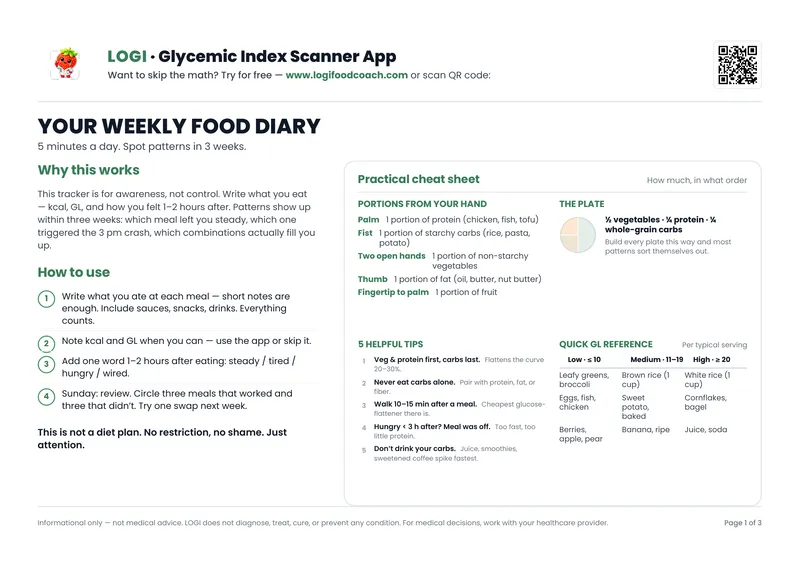
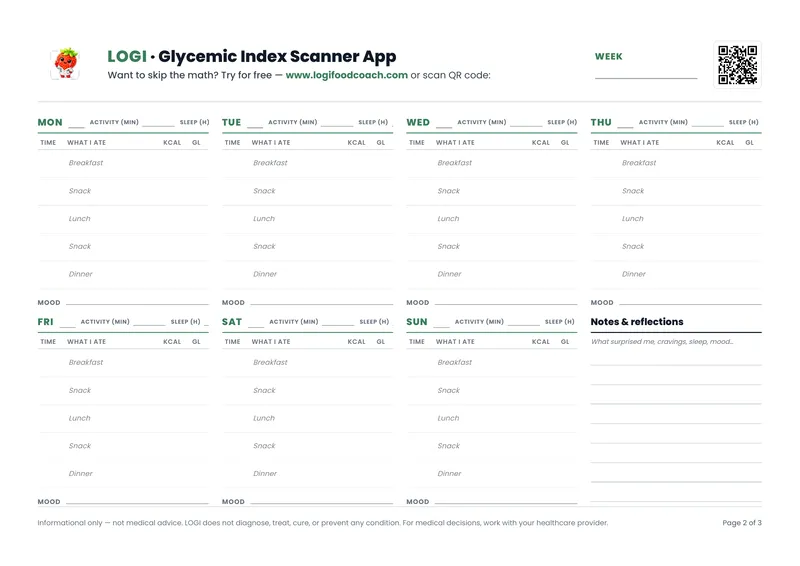
Free PDF — 3 pages
Your Weekly Food Journal
Track meals, glycemic load & mood. Spot patterns in 3 weeks.
No spam. Unsubscribe anytime.