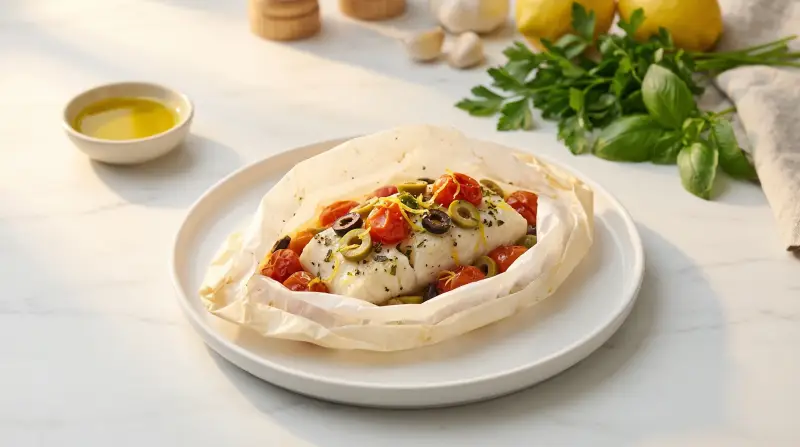
Low-Glycemic Mediterranean Fish en Papillote with Tomatoes and Olives
Delicate white fish steamed with vibrant tomatoes and briny olives in parchment packets—a blood sugar-friendly meal ready in 20 minutes with zero added sugars.
This elegant Mediterranean-inspired dish showcases how simple, whole-food ingredients can create a restaurant-worthy meal that's exceptionally kind to your blood sugar levels. By cooking fish en papillote—the French technique of steaming in parchment paper—you lock in moisture and flavor without any added fats or refined carbohydrates that could spike glucose levels.
White fish like cod provides high-quality protein with virtually zero glycemic impact, helping stabilize blood sugar while keeping you satisfied for hours. The tomatoes, while containing natural sugars, are paired with healthy fats from olive oil and olives, which significantly slow glucose absorption. Lemon juice not only brightens the flavors but may also help moderate the glycemic response of your entire meal. This combination of lean protein, healthy fats, and fiber-rich vegetables creates an ideal low-GI plate.
For optimal blood sugar management, serve this dish with cauliflower rice, roasted non-starchy vegetables, or a large leafy green salad instead of white rice or potatoes. The parchment cooking method requires no added oils beyond what's used to season the fish, making this an exceptionally clean, anti-inflammatory meal that supports metabolic health. Each serving delivers approximately 25g of protein with minimal carbohydrates—perfect for maintaining steady energy throughout your evening.
Blood Sugar Impact
Minimal blood sugar impact expected due to the very low glycemic load of 1.0 and GI of 25. This protein-rich meal with healthy fats will provide stable, sustained energy for 4-5 hours without causing significant glucose elevation.
Blood Sugar Tips
- ✓ Pair this meal with a non-starchy vegetable side like steamed broccoli or a mixed green salad to add fiber and further stabilize blood sugar
- ✓ Eat this meal earlier in the day when insulin sensitivity is typically higher, ideally at lunch rather than late dinner
- ✓ Take a 10-15 minute walk after eating to enhance glucose uptake by muscles and maintain steady blood sugar levels
🥗 Ingredients
- 1 oz cod fillets or other white fish
- 2 cup grape tomatoes, halved
- 0.25 cup sliced black or green olives
- 1 tbsp fresh lemon zest
- 2 tbsp fresh lemon juice
- 2 pcs garlic cloves, minced
- 1 tbsp extra virgin olive oil
- 1 tsp coarse sea salt and black pepper
- 1 oz cod fillets or other white fish
- 2 cup grape tomatoes, halved
- 0.25 cup sliced black or green olives
- 1 tbsp fresh lemon zest
- 2 tbsp fresh lemon juice
- 2 pcs garlic cloves, minced
- 1 tbsp extra virgin olive oil
- 1 tsp coarse sea salt and black pepper
👨🍳 Instructions
- 1
Position your oven rack in the center and preheat to 375°F (190°C). Cut four sheets of parchment paper, each measuring approximately 14 inches in length. The sheets should be large enough to fully enclose each fish fillet with vegetables and create a sealed packet.
- 2
In a medium mixing bowl, combine the halved grape tomatoes, sliced olives, lemon zest, fresh lemon juice, minced garlic, and a generous pinch of salt and pepper. Toss gently to coat all ingredients evenly. Set this Mediterranean vegetable mixture aside while you prepare the fish.
- 3
Remove the cod fillets from refrigeration and place them on a clean cutting board or plate. Using paper towels, pat each fillet completely dry on both sides—this helps the seasoning adhere and ensures proper cooking. Moisture on the surface can create steam that prevents browning.
- 4
Drizzle the olive oil over the fish fillets and use your hands to gently rub it into both sides of each piece. Season generously with coarse salt and freshly ground black pepper on both sides. The oil creates a protective barrier and adds healthy fats that support nutrient absorption.
- 5
Lay out your four parchment sheets on a clean work surface. Place one cod fillet in the center of each sheet, positioning it skin-side down if your fillets have skin. Spoon one-quarter of the tomato-olive mixture over and around each fillet, distributing the vegetables evenly.
- 6
To seal each packet, bring the long edges of the parchment together above the fish and fold them over twice, creating a tight seam. Then fold in the short ends, crimping and tucking them underneath to create a completely sealed pouch. The packet should be snug but allow some air space for steam circulation.
- 7
Arrange the sealed parchment packets on a large rimmed baking sheet, leaving space between each one. Bake in the preheated oven for 14-16 minutes, until the fish is opaque and flakes easily with a fork. The internal temperature should reach 145°F (63°C).
- 8
Remove from the oven and let the packets rest for 2-3 minutes before carefully opening—steam will escape, so open away from your face. Transfer each packet to a dinner plate and serve immediately with additional lemon wedges. For optimal blood sugar control, pair with cauliflower rice, zucchini noodles, or a large mixed green salad instead of starchy sides.
📊 Nutrition Per Serving
| Per Serving | Whole Dish | |
|---|---|---|
| Calories | 152 | 608 |
| Carbs | 5g | 19g |
| Sugars | 2g | 9g |
| Natural Sugars | 2g | 9g |
| Protein | 21g | 85g |
| Fat | 5g | 22g |
| Saturated Fat | 1g | 3g |
| Unsaturated Fat | 4g | 16g |
| Fiber | 1g | 6g |
| Soluble Fiber | 0g | 0g |
| Insoluble Fiber | 0g | 1g |
| Sodium | 709mg | 2837mg |
Predicted Glucose Response
What if you...
Estimated model — individual responses vary. Not medical advice.
🔄 Lower GI Swaps
Fatty fish like salmon, mackerel, and sardines contain higher omega-3 content which has been shown to improve insulin sensitivity and help stabilize blood sugar levels more effectively than lean white fish.
While grape tomatoes are already low-GI, raw cherry tomatoes have slightly lower glycemic impact, and bell peppers or zucchini provide even more fiber with virtually zero glycemic load to further minimize blood sugar response.
While olive oil is excellent, avocado oil has a higher smoke point preserving its blood-sugar benefits during cooking, and adding MCT oil can enhance fat oxidation and improve glucose metabolism.
Apple cider vinegar has been clinically shown to reduce post-meal blood sugar spikes by 20-30% through improved insulin sensitivity, making it superior to lemon juice for glycemic control, while lime juice offers similar acetic acid benefits.
🔬 The Science Behind This Recipe
Why This Recipe Supports Stable Blood Sugar
This Mediterranean fish dish is exceptionally blood sugar-friendly with a glycemic load of just 1.0 and an estimated GI of 25, making it an ideal choice for anyone managing glucose levels. The star ingredient, cod, is a lean protein that contains virtually no carbohydrates, meaning it won't trigger insulin release or raise blood sugar at all. Protein also slows gastric emptying—the rate at which food leaves your stomach—which helps prevent the rapid glucose spikes associated with eating carbohydrates alone. The generous portion of fish in this recipe ensures you're getting substantial protein to keep you satisfied and your blood sugar steady for hours.
The supporting ingredients amplify these benefits beautifully. Grape tomatoes contribute minimal natural sugars but pack fiber and water content, both of which slow digestion and glucose absorption. Olives provide healthy monounsaturated fats that further delay stomach emptying and improve insulin sensitivity over time. This combination of protein and fat creates what nutritionists call a "metabolic buffer"—your body processes the small amount of carbohydrates from the tomatoes much more gradually than it would if you ate them alone.
The cooking method matters too. Preparing fish en papillote (in parchment) preserves all the nutrients without adding unnecessary carbohydrates from breading or heavy sauces. For optimal glucose control, pair this dish with a large serving of non-starchy vegetables like sautéed spinach or roasted zucchini, and consider taking a 10-15 minute walk after eating. This gentle movement helps your muscles absorb glucose from your bloodstream without requiring extra insulin, making an already low-impact meal even gentler on your metabolism.
Related recipes
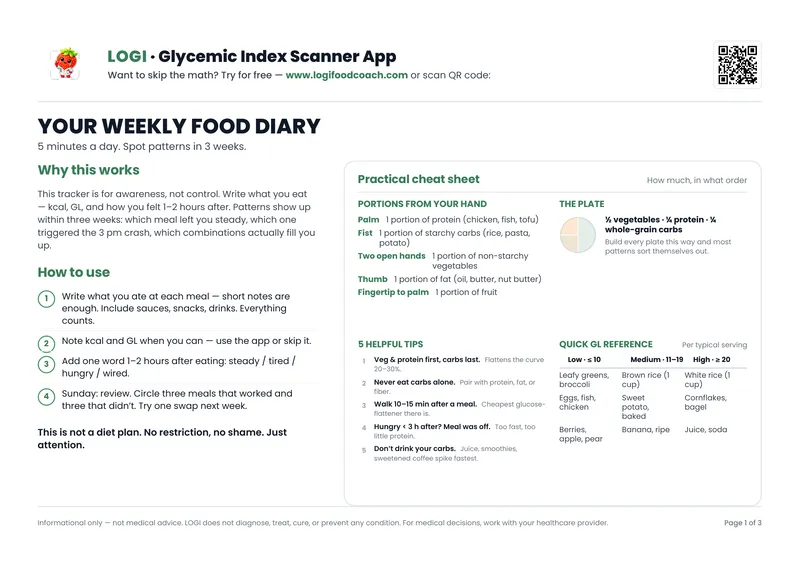
Free PDF — 3 pages
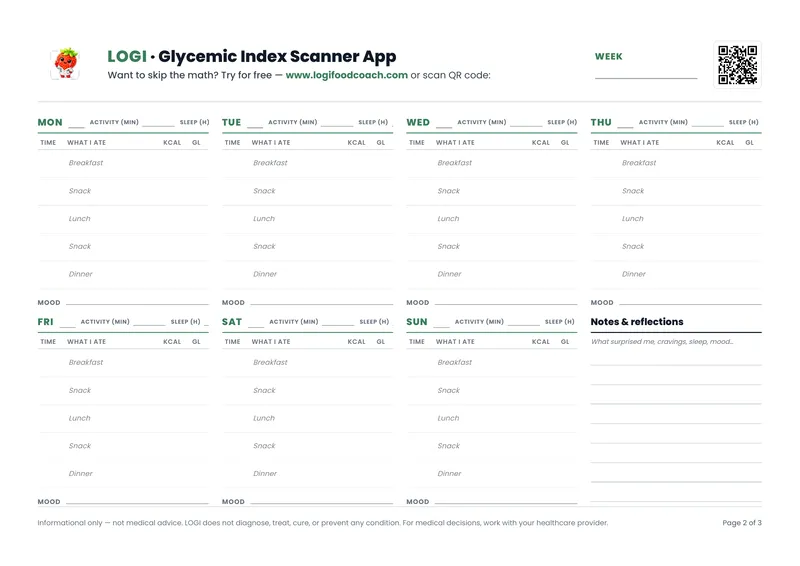
Your Weekly Food Journal
Track meals, glycemic load & mood. Spot patterns in 3 weeks.
No spam. Unsubscribe anytime.