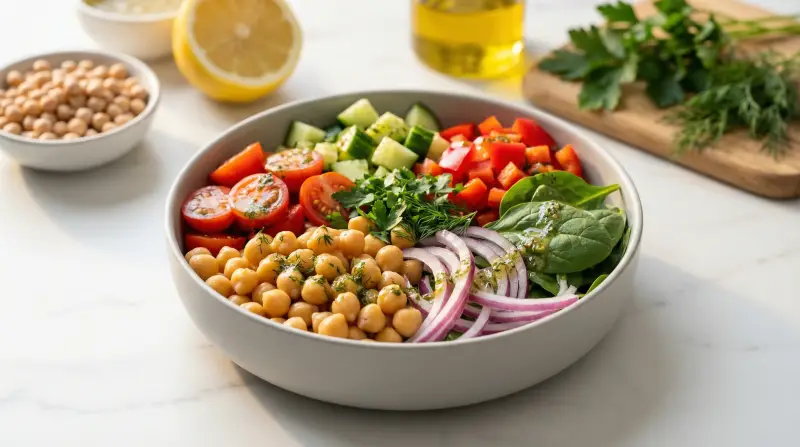
Mediterranean Chickpea and Vegetable Bowl with Lemon-Herb Dressing
A fiber-rich, low-glycemic bowl featuring protein-packed chickpeas, colorful vegetables, and a zesty lemon dressing that keeps blood sugar stable.
This Mediterranean-inspired bowl is a perfect example of low-glycemic eating that doesn't sacrifice flavor. Chickpeas provide plant-based protein and soluble fiber that slows glucose absorption, while the rainbow of non-starchy vegetables adds nutrients without spiking blood sugar. The healthy fats from extra virgin olive oil further moderate the glycemic response.
What makes this recipe particularly blood-sugar friendly is the combination of complex carbohydrates, protein, and healthy fats in every bite. Chickpeas have a GI of just 28, making them an excellent choice for sustained energy. The vegetables are loaded with fiber and phytonutrients that support metabolic health. For optimal glucose management, eat the vegetables first, then the protein-rich chickpeas.
This versatile bowl works beautifully for meal prep and can be customized with your favorite low-GI vegetables. The lemon-herb dressing adds bright flavor while the olive oil provides monounsaturated fats that help with nutrient absorption and satiety. Pair with a lean protein like grilled chicken or fish for an even more balanced meal.
Blood Sugar Impact
This meal will have minimal blood sugar impact due to its low glycemic load of 6.3 and GI of 24. The high fiber content from chickpeas and vegetables, combined with healthy fats from olive oil, will result in a slow, steady glucose release providing stable energy for 3-4 hours without significant spikes.
Blood Sugar Tips
- ✓ Eat the spinach and other vegetables first to create a fiber buffer that slows glucose absorption from the chickpeas
- ✓ Add a source of lean protein like grilled chicken or feta cheese to further stabilize blood sugar response
- ✓ Take a 10-15 minute walk after eating to help muscles absorb glucose and prevent any minor elevation
🥗 Ingredients
- 200 g dried chickpeas, soaked overnight
- 250 g cherry tomatoes, halved
- 200 g cucumber, diced
- 150 g red bell pepper, chopped
- 80 g red onion, thinly sliced
- 100 g baby spinach leaves
- 60 ml extra virgin olive oil
- 45 ml fresh lemon juice
- 2 pcs garlic cloves, minced
- 15 g fresh parsley, chopped
- 10 g fresh mint, chopped
- 1 tsp ground cumin
- 1 tsp sea salt
- 0.5 tsp black pepper, freshly ground
- 7.1 oz dried chickpeas, soaked overnight
- 8.8 oz cherry tomatoes, halved
- 7.1 oz cucumber, diced
- 5.3 oz red bell pepper, chopped
- 2.8 oz red onion, thinly sliced
- 3.5 oz baby spinach leaves
- 4 tbsp extra virgin olive oil
- 3 tbsp fresh lemon juice
- 2 pcs garlic cloves, minced
- 0.5 oz fresh parsley, chopped
- 0.4 oz fresh mint, chopped
- 1 tsp ground cumin
- 1 tsp sea salt
- 0.5 tsp black pepper, freshly ground
👨🍳 Instructions
- 1
Drain the soaked chickpeas and rinse thoroughly under cold water. Place them in a large pot and cover with fresh water by about 2 inches. Bring to a boil over high heat, then reduce to a gentle simmer. Cook for 45-60 minutes until tender but not mushy. Drain and set aside to cool slightly.
- 2
While the chickpeas are cooking, prepare all your vegetables. Halve the cherry tomatoes, dice the cucumber into bite-sized pieces, chop the red bell pepper, and thinly slice the red onion. Rinse the baby spinach and pat dry. Set all vegetables aside in separate bowls.
- 3
Prepare the lemon-herb dressing by whisking together the olive oil, fresh lemon juice, minced garlic, and ground cumin in a small bowl. Add the chopped parsley and mint, then season with sea salt and freshly ground black pepper. Whisk vigorously until the dressing is well emulsified.
- 4
In a large mixing bowl, combine the cooked chickpeas with half of the lemon-herb dressing while they're still slightly warm. This allows them to absorb maximum flavor. Toss gently and let them marinate for 5-10 minutes.
- 5
Add the cherry tomatoes, cucumber, red bell pepper, and red onion to the bowl with the chickpeas. Drizzle with the remaining dressing and toss everything together gently but thoroughly, ensuring all ingredients are evenly coated.
- 6
Create a bed of fresh baby spinach in each serving bowl. The spinach will slightly wilt from the warmth of the chickpeas, adding a pleasant texture contrast.
- 7
Divide the chickpea and vegetable mixture evenly among the four bowls, placing it on top of the spinach. Garnish with additional fresh herbs if desired. Serve immediately, or refrigerate for up to 3 days for meal prep. For best blood sugar management, eat the vegetables first, followed by the protein-rich chickpeas.
📊 Nutrition Per Serving
| Per Serving | Whole Dish | |
|---|---|---|
| Calories | 267 | 1066 |
| Carbs | 25g | 100g |
| Sugars | 8g | 31g |
| Natural Sugars | 8g | 31g |
| Protein | 7g | 28g |
| Fat | 17g | 68g |
| Saturated Fat | 2g | 9g |
| Unsaturated Fat | 15g | 58g |
| Fiber | 7g | 28g |
| Soluble Fiber | 2g | 7g |
| Insoluble Fiber | 4g | 16g |
| Sodium | 526mg | 2105mg |
Predicted Glucose Response
What if you...
Estimated model — individual responses vary. Not medical advice.
🔄 Lower GI Swaps
Black soybeans have a GI of 15 versus chickpeas at 28-35, edamame has a GI around 15-18, and lupini beans have minimal carbohydrates with virtually no glycemic impact, all providing excellent protein while causing significantly less blood sugar elevation
Scallions and chives contain fewer total carbohydrates per serving than red onion, resulting in lower glycemic load while still providing onion-like flavor, and their higher water content dilutes the carbohydrate density
While tomatoes are relatively low-GI, radishes and celery contain almost no carbohydrates (under 2g per serving) with negligible glycemic impact, and jicama provides satisfying crunch with only 5g net carbs per half-cup versus 6-7g in an equivalent amount of tomatoes
Zucchini, cauliflower, and broccoli have lower carbohydrate content (3-4g per cup) compared to bell peppers (6-9g per cup), resulting in lower glycemic load while providing more fiber per gram of carbohydrate to further slow glucose absorption
While spinach is already excellent, arugula and watercress have even lower carbohydrate density at under 1g per cup with higher concentrations of alpha-lipoic acid and other compounds that may improve insulin sensitivity and glucose metabolism
🔬 The Science Behind This Recipe
# Why This Bowl Keeps Your Blood Sugar Steady
This Mediterranean bowl is a masterclass in blood sugar management, with a remarkably low glycemic load of just 6.3 and an estimated GI of 24. The star ingredient—chickpeas—provides a powerful combination of protein (about 7g per half cup) and soluble fiber (6g per serving) that slows down digestion and creates a gradual release of glucose into your bloodstream. Unlike refined carbohydrates that cause sharp spikes, chickpeas contain resistant starch that your body processes slowly, keeping your energy stable for hours. The protein and fiber work together to increase satiety hormones and reduce the speed at which your stomach empties, which is exactly what you want for steady blood sugar.
The colorful vegetables aren't just for show—they're your secret weapon against glucose spikes. Bell peppers, tomatoes, and cucumbers are incredibly low in carbohydrates (less than 5g per cup) while being packed with water and fiber, which means they add volume and nutrients without significantly impacting blood sugar. The raw vegetables also require more chewing and digestion time, further slowing glucose absorption. When you pair these non-starchy vegetables with chickpeas, you're creating a synergistic effect where the high fiber content (both soluble and insoluble) forms a gel-like substance in your digestive tract that literally slows down sugar absorption.
To maximize the blood sugar benefits of this bowl, try eating your vegetables first—studies show that consuming fiber-rich foods at the start of a meal can reduce post-meal glucose spikes by up to 30%. The lemon in the dressing adds another benefit: the acidity can slow stomach emptying and starch breakdown. If you want an extra buffer against any glucose rise, take a 10-15 minute walk after eating—light movement helps your muscles absorb glucose without requiring extra insulin.
Related recipes
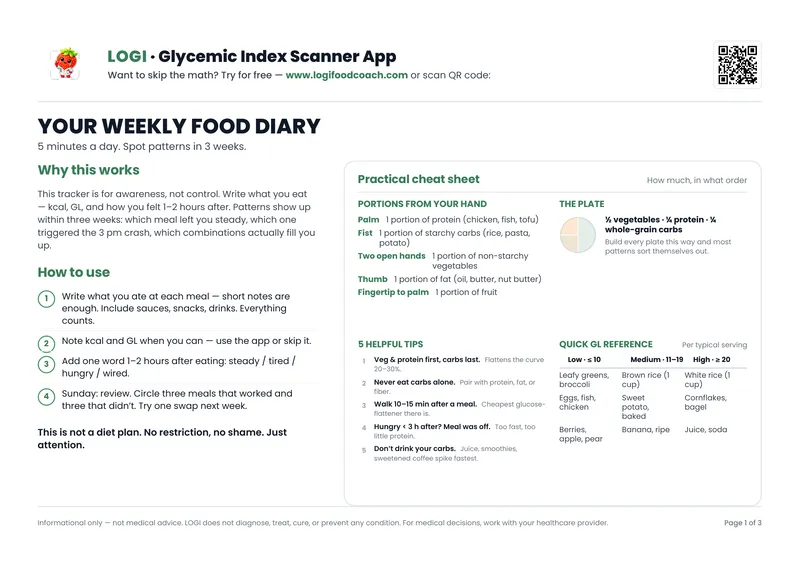
Free PDF — 3 pages
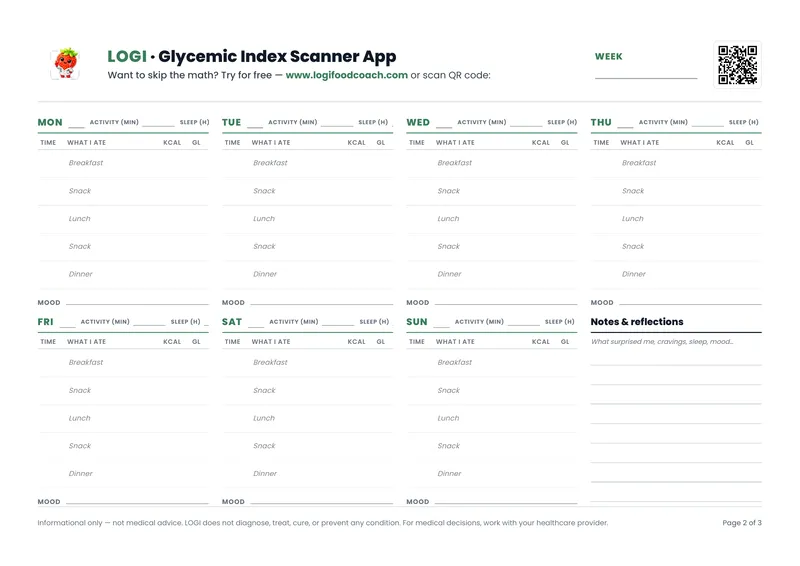
Your Weekly Food Journal
Track meals, glycemic load & mood. Spot patterns in 3 weeks.
No spam. Unsubscribe anytime.