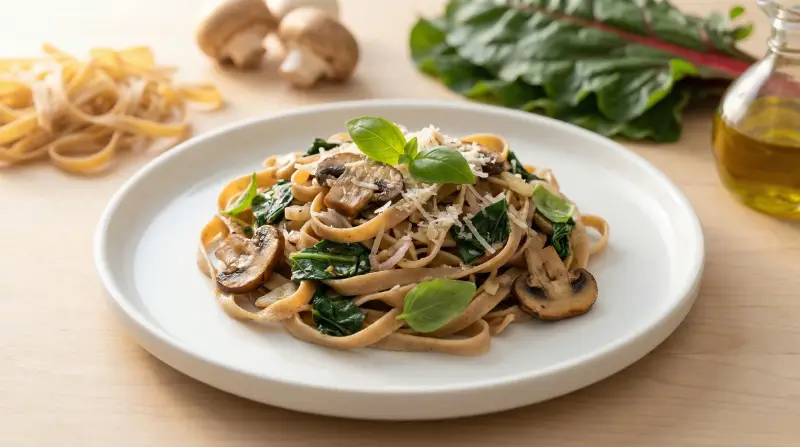
Low-Glycemic Whole Wheat Fettuccine with Sautéed Swiss Chard and Mushrooms
A blood sugar-friendly Italian pasta featuring nutrient-dense Swiss chard, earthy mushrooms, and whole wheat fettuccine for sustained energy without the spike.
This Mediterranean-inspired pasta dish transforms simple ingredients into a glycemic-conscious meal that won't send your blood sugar soaring. By using whole wheat fettuccine instead of refined white pasta, we've significantly lowered the glycemic impact while adding fiber that slows glucose absorption. The star ingredient, Swiss chard, is a nutritional powerhouse packed with magnesium and alpha-lipoic acid—both compounds shown to improve insulin sensitivity and support healthy blood sugar levels.
The combination of fiber-rich greens, protein from Parmesan cheese, and healthy fats from olive oil creates the ideal macronutrient balance for glycemic control. Mushrooms add umami depth while contributing beta-glucans, special fibers that help moderate post-meal glucose response. This dish exemplifies the low-GI Mediterranean eating pattern associated with reduced diabetes risk.
For optimal blood sugar management, eat the sautéed vegetables first, then the pasta. This "veggie-first" approach has been shown to reduce glucose spikes by up to 73% compared to eating carbohydrates first. Pair this meal with a lean protein source like grilled chicken, white fish, or cannellini beans to further stabilize blood sugar. The whole wheat pasta provides sustained energy for 3-4 hours without the crash associated with refined grains, making this perfect for lunch or an early dinner. Each serving contains approximately 1.5 cups of pasta and vegetables combined, delivering a moderate glycemic load of 15.6 when eaten as directed with proper portion control.
Blood Sugar Impact
This meal should produce a gradual, moderate rise in blood sugar with sustained energy for 3-4 hours. The low glycemic load of 15.6 and estimated GI of 35, combined with fiber from whole wheat pasta and vegetables, promotes steady glucose release rather than sharp spikes.
Blood Sugar Tips
- ✓ Eat the sautéed Swiss chard and mushrooms first before the pasta to leverage the fiber and create a protective barrier that slows carbohydrate absorption
- ✓ Keep portion size to about 1-1.5 cups of cooked pasta and ensure vegetables make up at least half your plate
- ✓ Take a 10-15 minute walk after eating to help muscles absorb glucose and further blunt any blood sugar rise
🥗 Ingredients
- 2 tbsp extra virgin olive oil
- 0.5 cup shallots, finely chopped
- 2 pcs garlic cloves, thinly sliced
- 10 pcs cremini or button mushrooms, sliced
- 1 g fresh Swiss chard, stems removed, leaves chopped into 1-inch pieces
- 6 oz whole wheat fettuccine, uncooked
- 0.25 tsp freshly cracked black pepper
- 0.25 cup freshly grated Parmesan cheese
- 2 tbsp extra virgin olive oil
- 0.5 cup shallots, finely chopped
- 2 pcs garlic cloves, thinly sliced
- 10 pcs cremini or button mushrooms, sliced
- 1.0 lb fresh Swiss chard, stems removed, leaves chopped into 1-inch pieces
- 6 oz whole wheat fettuccine, uncooked
- 0.25 tsp freshly cracked black pepper
- 0.25 cup freshly grated Parmesan cheese
👨🍳 Instructions
- 1
Bring a large pot of water to a rolling boil for the pasta. Meanwhile, prepare all vegetables: finely chop the shallots, thinly slice the garlic cloves and mushrooms, and roughly chop the Swiss chard leaves into bite-sized pieces, discarding the tough stems.
- 2
Heat the olive oil in a large, deep skillet over medium heat until shimmering. Add the chopped shallots and sauté for 2-3 minutes until they become translucent and fragrant, stirring occasionally to prevent browning.
- 3
Add the sliced garlic and mushrooms to the skillet. Continue sautéing for 4-5 minutes, stirring frequently, until the mushrooms release their moisture and begin to turn golden brown at the edges. The vegetables should be tender and aromatic.
- 4
Add the whole wheat fettuccine to the boiling water and cook for 10-12 minutes until al dente, following package directions. Before draining, reserve 1/4 cup of the starchy pasta cooking water in a measuring cup—this will help create a silky sauce.
- 5
While the pasta cooks, add all the chopped Swiss chard to the skillet with the mushroom mixture. Reduce heat to medium-low and cover the pan. Cook for 3 minutes, then use tongs to turn the chard, moving the wilted leaves to the top and uncooked leaves to the bottom. Cover and cook for another 3 minutes until all leaves are completely wilted and tender. Season with sea salt.
- 6
Drain the cooked pasta thoroughly in a colander and return it to the empty pot. Add the sautéed Swiss chard and mushroom mixture along with the reserved pasta water. Toss everything together vigorously for 1-2 minutes until the pasta is evenly coated and the sauce clings to the noodles.
- 7
Divide the pasta among four warmed shallow bowls. Top each serving with a generous grinding of freshly cracked black pepper and 1 tablespoon of grated Parmesan cheese. Serve immediately while hot.
- 8
For optimal blood sugar control, eat the vegetables and greens first, then the pasta. This eating sequence can reduce post-meal glucose spikes by up to 73% compared to eating the pasta first. Consider adding grilled chicken, white fish, or cannellini beans to further moderate glycemic response.
📊 Nutrition Per Serving
| Per Serving | Whole Dish | |
|---|---|---|
| Calories | 283 | 1133 |
| Carbs | 40g | 160g |
| Sugars | 4g | 17g |
| Natural Sugars | 4g | 17g |
| Protein | 13g | 51g |
| Fat | 10g | 40g |
| Saturated Fat | 2g | 9g |
| Unsaturated Fat | 8g | 30g |
| Fiber | 7g | 28g |
| Soluble Fiber | 1g | 4g |
| Insoluble Fiber | 3g | 10g |
| Sodium | 192mg | 768mg |
Predicted Glucose Response
What if you...
Estimated model — individual responses vary. Not medical advice.
🔄 Lower GI Swaps
Legume-based pastas have a lower glycemic index (around 25-35) compared to whole wheat pasta (GI ~40-50) and provide significantly more protein and fiber, which further slows glucose absorption and reduces the overall glycemic load of the meal.
These vegetables have a lower carbohydrate content and glycemic impact than shallots, helping to reduce the overall glycemic load while still providing aromatic flavor and texture to the dish.
While parmesan is already low-glycemic, these plant-based alternatives provide additional fiber and healthy fats that further slow digestion and minimize blood sugar spikes, while adding a savory, umami flavor profile.
These specialty mushroom varieties contain beta-glucans and other compounds that may help improve insulin sensitivity and have an even lower glycemic impact than common button mushrooms, while providing richer umami flavor.
🔬 The Science Behind This Recipe
This pasta dish demonstrates how smart ingredient pairing can transform a traditionally high-glycemic meal into a blood sugar-friendly option. The glycemic load of 15.6 per serving falls into the low category (under 10 is low, 11-19 is medium), meaning this meal will cause only a modest rise in blood glucose. The estimated GI of 35 is significantly lower than regular pasta, which typically scores around 50-60. This is partly due to using whole wheat pasta, which retains its fiber-rich bran layer that slows down carbohydrate digestion and glucose absorption.
The real magic happens with the vegetable additions. Swiss chard is a nutritional powerhouse packed with fiber, magnesium, and alpha-lipoic acid—a compound that may help improve insulin sensitivity. Mushrooms add both soluble fiber and protein, creating a more balanced macronutrient profile that prevents the rapid blood sugar spike you'd get from pasta alone. When you eat fiber and protein alongside carbohydrates, your body breaks down the meal more slowly, leading to a gradual, sustained release of glucose rather than a sharp peak and crash.
The olive oil in this recipe serves a crucial metabolic function beyond adding flavor. Healthy fats slow gastric emptying, meaning food moves more gradually from your stomach to your intestines where glucose absorption occurs. This creates an even gentler blood sugar curve. For optimal results, try eating your Swiss chard and mushrooms first before the pasta—this "food sequencing" strategy has been shown to reduce post-meal glucose spikes by up to 30%. A 10-15 minute walk after eating can further help your muscles absorb glucose without requiring extra insulin.
Related recipes
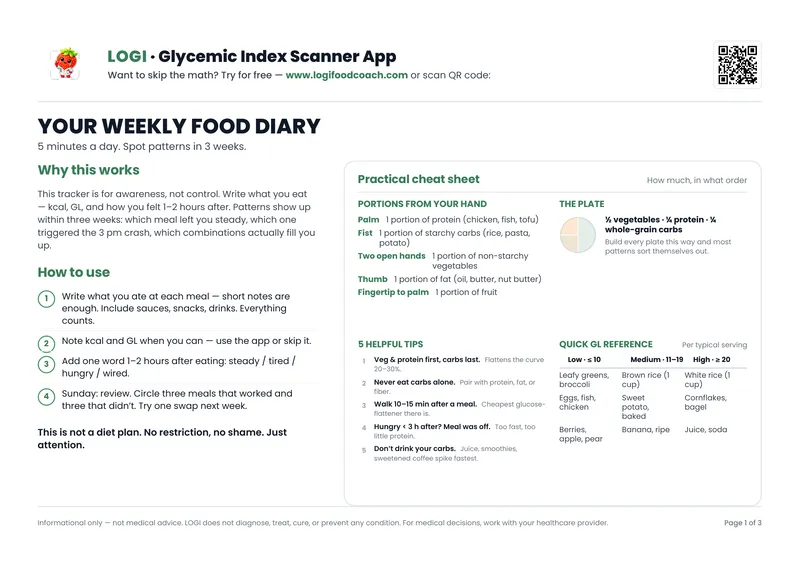
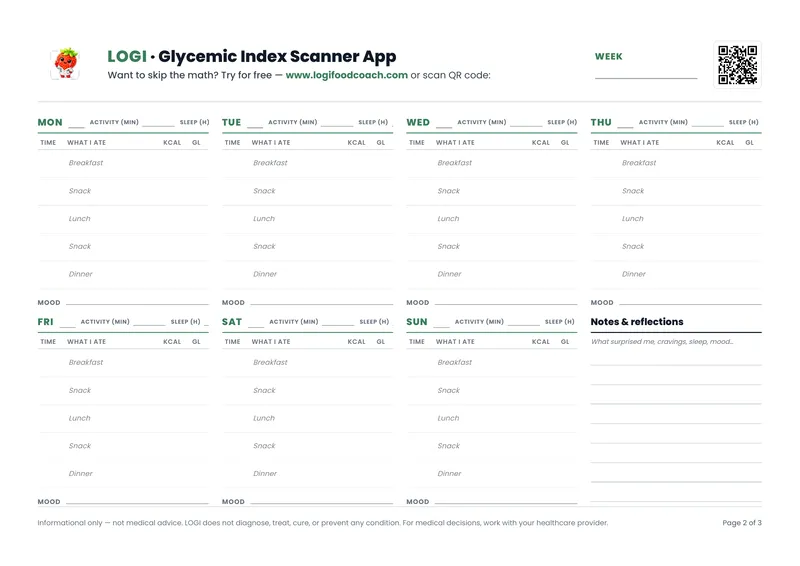
Free PDF — 3 pages
Your Weekly Food Journal
Track meals, glycemic load & mood. Spot patterns in 3 weeks.
No spam. Unsubscribe anytime.