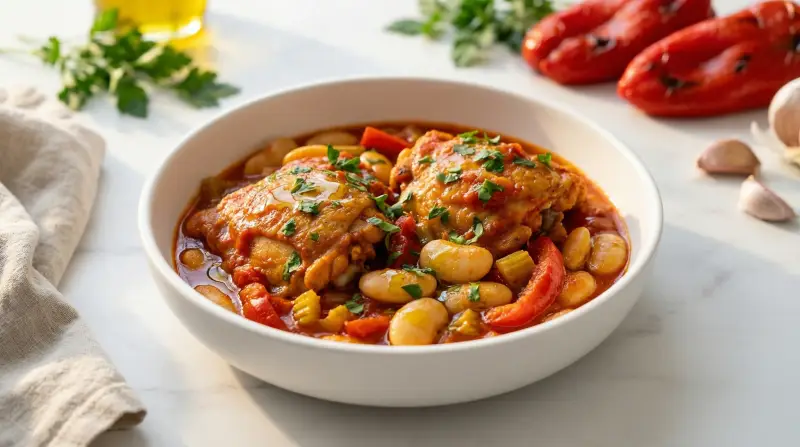
Mediterranean Chicken and Butter Bean Stew with Roasted Peppers
A blood sugar-friendly one-pot wonder combining lean chicken thighs with fiber-rich butter beans, colorful peppers, and aromatic paprika for steady energy.
This nourishing Mediterranean-style stew is a perfect example of low-glycemic cooking that doesn't sacrifice flavor. The combination of protein-rich chicken thighs and fiber-packed butter beans creates a satisfying meal that helps maintain stable blood sugar levels throughout the day. Butter beans, with their creamy texture and low glycemic index of around 30, provide sustained energy without the blood sugar spike associated with refined carbohydrates.
The vibrant bell peppers add not only color but also valuable antioxidants and vitamin C, while the paprika brings a subtle smokiness that elevates the entire dish. The beauty of this recipe lies in its simplicity and nutritional balance—the protein from chicken paired with the resistant starch in butter beans slows glucose absorption, making this an ideal choice for anyone managing their blood sugar. The generous amount of vegetables adds volume and fiber, helping you feel full and satisfied.
For optimal glycemic control, consider serving this stew with a small portion of quinoa or cauliflower rice rather than white rice. The dish reheats beautifully, making it perfect for meal prep. Eating the vegetables and beans first, followed by the chicken, can further help moderate your post-meal glucose response. This comforting casserole proves that eating for blood sugar health can be both delicious and deeply satisfying.
Blood Sugar Impact
This stew will have a low to moderate blood sugar impact due to its low GI of 26 and moderate glycemic load of 17.9. The combination of protein from chicken, fiber from butter beans and vegetables, and healthy fats from olive oil should provide steady energy for 3-4 hours without significant spikes.
Blood Sugar Tips
- ✓ Eat the chicken and vegetables first before the butter beans to slow carbohydrate absorption and minimize blood sugar rise
- ✓ Pair this meal with a 10-15 minute walk after eating to help muscles absorb glucose and reduce post-meal blood sugar elevation
- ✓ Add an extra serving of non-starchy vegetables like a side salad to further increase fiber content and slow digestion
🥗 Ingredients
- 1 tbsp olive oil
- 1 pcs large onion, chopped
- 2 pcs celery stalks, chopped
- 1 pcs yellow bell pepper, deseeded and diced
- 1 pcs red bell pepper, deseeded and diced
- 1 pcs garlic clove, crushed
- 2 tbsp paprika
- 400 g canned chopped tomatoes
- 150 ml chicken stock, low-sodium
- 800 g canned butter beans, drained and rinsed
- 8 pcs skinless chicken thighs, bone-in or boneless
- 1 tbsp olive oil
- 1 pcs large onion, chopped
- 2 pcs celery stalks, chopped
- 1 pcs yellow bell pepper, deseeded and diced
- 1 pcs red bell pepper, deseeded and diced
- 1 pcs garlic clove, crushed
- 2 tbsp paprika
- 14.1 oz canned chopped tomatoes
- 10 tbsp chicken stock, low-sodium
- 1.8 lb canned butter beans, drained and rinsed
- 8 pcs skinless chicken thighs, bone-in or boneless
👨🍳 Instructions
- 1
Preheat your oven to 180°C (160°C fan/350°F/gas mark 4). This moderate temperature will allow the stew to cook gently and develop deep flavors.
- 2
Heat the olive oil in a large oven-safe casserole dish or Dutch oven over medium heat. Once shimmering, add the chopped onion, celery, and both diced peppers. Sauté for approximately 5 minutes, stirring occasionally, until the vegetables begin to soften and the onion becomes translucent.
- 3
Add the crushed garlic and paprika to the vegetable mixture. Continue cooking for another 3 minutes, stirring frequently to prevent the paprika from burning. The paprika should become fragrant and coat the vegetables evenly.
- 4
Pour in the canned chopped tomatoes and chicken stock, stirring to combine. Add the drained and rinsed butter beans, mixing everything together thoroughly. Season generously with salt and freshly ground black pepper to taste.
- 5
Bring the mixture to a gentle boil over medium-high heat, then reduce to a simmer. Nestle the chicken thighs into the sauce, ensuring they're partially submerged but not completely covered. The chicken should be arranged in a single layer if possible.
- 6
Cover the casserole dish with a tight-fitting lid and carefully transfer it to the preheated oven. Cook for 45 minutes, or until the chicken is cooked through and tender, reaching an internal temperature of 75°C (165°F).
- 7
Remove from the oven and let rest for 5 minutes before serving. The stew will thicken slightly as it cools. Serve in shallow bowls, ensuring each portion contains chicken, beans, and plenty of the flavorful vegetable sauce. Garnish with fresh parsley if desired.
📊 Nutrition Per Serving
| Per Serving | Whole Dish | |
|---|---|---|
| Calories | 702 | 2806 |
| Carbs | 59g | 236g |
| Sugars | 15g | 61g |
| Natural Sugars | 15g | 61g |
| Protein | 55g | 218g |
| Fat | 30g | 120g |
| Saturated Fat | 8g | 31g |
| Unsaturated Fat | 20g | 79g |
| Fiber | 19g | 77g |
| Soluble Fiber | 1g | 4g |
| Insoluble Fiber | 3g | 10g |
| Sodium | 435mg | 1740mg |
Predicted Glucose Response
What if you...
Estimated model — individual responses vary. Not medical advice.
🔄 Lower GI Swaps
Chickpeas, black beans, and lentils have lower glycemic index values (28-32) compared to butter beans (GI ~31-36), providing more stable blood sugar response with higher protein and fiber ratios that slow glucose absorption.
Green vegetables like zucchini and green bell peppers have lower natural sugar content and lower glycemic impact than yellow peppers, while eggplant adds bulk with minimal carbohydrate load.
Using smaller amounts of leeks or shallots, or primarily the green parts of spring onions, reduces total carbohydrate content while maintaining aromatic flavor, lowering the overall glycemic load of the dish.
Fresh tomatoes have slightly lower glycemic impact than canned, while using minimal tomato paste for concentrated flavor or increasing roasted peppers reduces the carbohydrate density per serving.
Bone broth provides collagen and gelatin that may help moderate blood sugar spikes, while homemade stocks avoid hidden sugars and starches often found in commercial products that can increase glycemic load.
🔬 The Science Behind This Recipe
Why This Stew Keeps Your Blood Sugar Steady
This Mediterranean stew is a masterclass in blood sugar management, with a glycemic index of just 26 and a moderate glycemic load of 17.9 per serving. The magic lies in how butter beans—the star carbohydrate—release their energy. Unlike white rice or bread, butter beans are packed with soluble fiber and resistant starch that slow down digestion dramatically. When you eat them, your body has to work harder to break down these complex carbohydrates, meaning glucose trickles into your bloodstream gradually rather than flooding it all at once. The fiber also feeds beneficial gut bacteria that produce compounds helping regulate blood sugar between meals.
The olive oil in this recipe isn't just for flavor—it's a strategic addition that further blunts glucose spikes. Healthy fats slow gastric emptying, meaning food moves from your stomach to your intestines more slowly, which translates to steadier blood sugar levels. The chicken provides lean protein that requires significant digestive effort and triggers hormones that improve insulin sensitivity. Together, the fat and protein create what nutritionists call a "mixed meal effect," where the combination performs better than any single ingredient alone.
Here's a pro tip: start your meal with a few bites of the peppers and celery before diving into the beans. Eating vegetables first creates a fiber barrier in your digestive tract that slows carbohydrate absorption even more. If you want to maximize the benefits, take a 10-15 minute walk after eating—muscle movement helps shuttle glucose out of your bloodstream and into cells where it's actually needed for energy.
Related recipes
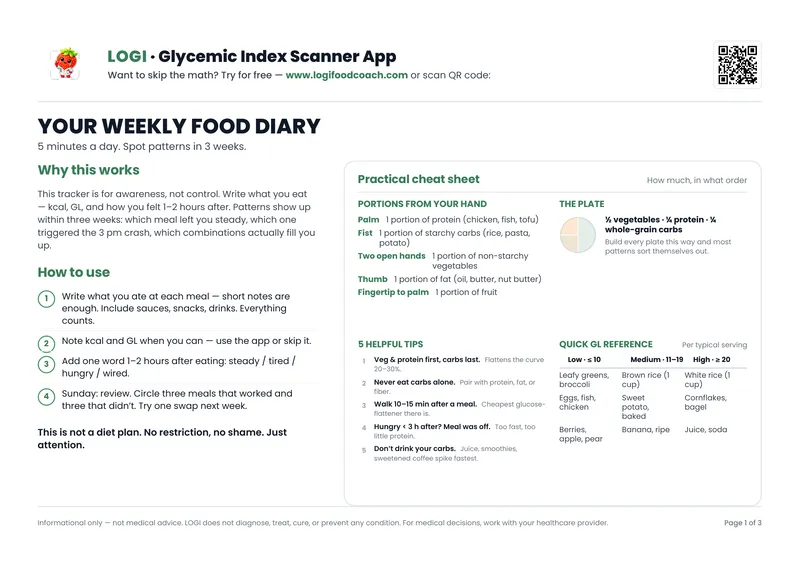
Free PDF — 3 pages
Your Weekly Food Journal
Track meals, glycemic load & mood. Spot patterns in 3 weeks.
No spam. Unsubscribe anytime.