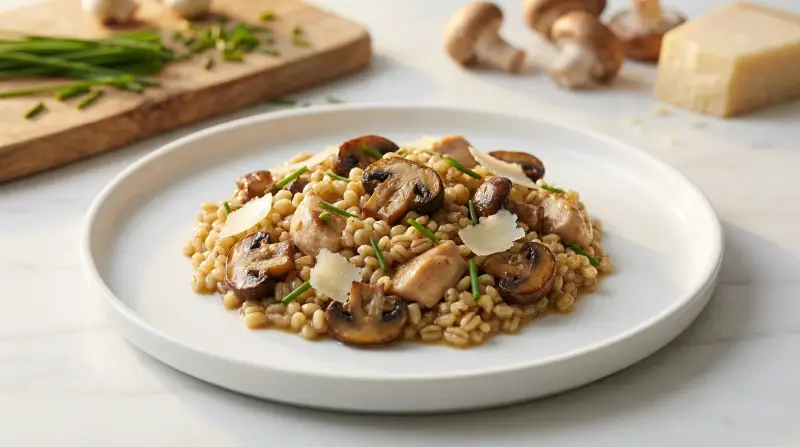
Pearl Barley Risotto with Chicken and Wild Mushrooms
A blood sugar-friendly twist on classic risotto using nutty pearl barley, lean chicken, and earthy mushrooms for sustained energy without the glucose spike.
This nourishing pearl barley risotto transforms the traditional Italian comfort dish into a low-glycemic powerhouse that won't send your blood sugar soaring. Unlike conventional risotto made with high-GI arborio rice, pearl barley has a glycemic index of just 35, releasing glucose slowly into your bloodstream for steady, sustained energy throughout your day.
The combination of lean chicken breast and fiber-rich barley creates a satisfying protein-and-complex-carb pairing that helps moderate the glycemic response even further. Wild and chestnut mushrooms add umami depth while contributing additional fiber and nutrients with virtually no impact on blood sugar. The small amount of Parmesan cheese provides healthy fats that slow digestion, while fresh thyme and shallots layer in aromatic complexity.
For optimal blood sugar management, consider eating a small green salad before this dish—the fiber and vinegar in salad dressing can help blunt the glucose response. This risotto also makes excellent meal prep, as the barley maintains its texture when reheated, and the resistant starch content actually increases after cooling and reheating, further lowering its glycemic impact. Each serving provides approximately 300g total weight with balanced macronutrients for stable blood glucose levels.
Blood Sugar Impact
This meal will have a low, gradual impact on blood sugar due to the low GI of pearl barley and protein from chicken. Expect stable energy for 4-5 hours with minimal blood sugar spike.
Blood Sugar Tips
- ✓ Eat the chicken and mushrooms first before the barley to slow glucose absorption through protein and fiber
- ✓ Add a side of leafy greens or a small salad to further reduce the glycemic response
- ✓ Take a 10-15 minute walk after eating to help muscles absorb glucose and flatten the blood sugar curve
🥗 Ingredients
- 1 tbsp butter
- 1 tbsp olive oil
- 2 pcs large shallots, finely sliced
- 1 pcs garlic clove, chopped
- 3 pcs skinless chicken breasts, cut into chunks
- 300 g pearl barley
- 250 ml dry white wine
- 400 g mixed wild and chestnut mushrooms, chopped
- 1 tbsp fresh thyme leaves
- 1000 ml hot chicken stock
- 3 tbsp grated Parmesan cheese
- 2 tbsp fresh chives, snipped
- 2 tbsp Parmesan shavings
- 1 tbsp butter
- 1 tbsp olive oil
- 2 pcs large shallots, finely sliced
- 1 pcs garlic clove, chopped
- 3 pcs skinless chicken breasts, cut into chunks
- 10.6 oz pearl barley
- 1.1 cups dry white wine
- 14.1 oz mixed wild and chestnut mushrooms, chopped
- 1 tbsp fresh thyme leaves
- 4.2 cups hot chicken stock
- 3 tbsp grated Parmesan cheese
- 2 tbsp fresh chives, snipped
- 2 tbsp Parmesan shavings
👨🍳 Instructions
- 1
Heat the butter and olive oil together in a large, heavy-bottomed saucepan over medium heat until the butter melts and begins to foam gently.
- 2
Add the finely sliced shallots and chopped garlic to the pan with a pinch of salt and freshly ground black pepper. Sauté for approximately 5 minutes, stirring occasionally, until the shallots become translucent and fragrant but not browned.
- 3
Stir in the chunked chicken breast pieces and cook for 2-3 minutes, turning occasionally, until the chicken is lightly sealed on all sides but not fully cooked through.
- 4
Add the pearl barley to the pan and stir continuously for about 1 minute to toast the grains lightly and coat them with the oil and butter, which helps develop a nutty flavor.
- 5
Pour in the white wine and stir constantly until the liquid is almost completely absorbed by the barley, which should take 2-3 minutes. The wine adds acidity that balances the richness of the dish. Note: The alcohol will completely evaporate during cooking, leaving only flavor with negligible carbohydrate content.
- 6
Add the chopped mushrooms and fresh thyme leaves, stirring to combine. Pour in approximately three-quarters of the hot chicken stock (about 750ml), reserving the remainder for adjusting consistency later.
- 7
Reduce the heat to low and maintain a gentle simmer for 40-45 minutes, stirring every 5-7 minutes to prevent sticking. The barley should become tender but retain a pleasant chew, and the mixture should be creamy but not soupy. Add additional stock as needed if the risotto appears too dry during cooking.
- 8
Remove the pan from heat and stir in the grated Parmesan cheese until melted and incorporated. Taste and adjust seasoning with salt and pepper as needed. Serve immediately in warmed bowls, garnished with snipped chives and additional Parmesan shavings if desired. For best blood sugar control, pair with a green vegetable side dish or leafy salad.
📊 Nutrition Per Serving
| Per Serving | Whole Dish | |
|---|---|---|
| Calories | 444 | 1777 |
| Carbs | 32g | 127g |
| Sugars | 5g | 19g |
| Natural Sugars | 5g | 19g |
| Protein | 41g | 164g |
| Fat | 13g | 51g |
| Saturated Fat | 5g | 21g |
| Unsaturated Fat | 8g | 30g |
| Fiber | 5g | 19g |
| Soluble Fiber | 2g | 7g |
| Insoluble Fiber | 3g | 12g |
| Sodium | 1114mg | 4458mg |
Predicted Glucose Response
What if you...
Estimated model — individual responses vary. Not medical advice.
🔄 Lower GI Swaps
Hulled barley and barley groats retain more of the outer bran layer than pearled barley, providing additional fiber that slows glucose absorption and lowers the glycemic response even further.
Using a drier wine or replacing some wine with acidic stock reduces residual sugars while maintaining acidity, which helps lower the overall glycemic impact of the dish.
Homemade bone broth or quality stocks without added sugars, maltodextrin, or other hidden carbohydrates help maintain the low glycemic load of the recipe.
While butter has minimal glycemic impact, using more olive oil or avocado oil increases monounsaturated fats which can improve insulin sensitivity and help stabilize blood sugar levels throughout the meal.
🔬 The Science Behind This Recipe
Why This Recipe Works for Blood Sugar
This pearl barley risotto is a masterclass in blood sugar management, with a remarkably low glycemic index of 25 and glycemic load of just 8.3 per serving. Pearl barley is the star here—unlike white rice used in traditional risotto, barley is packed with soluble fiber called beta-glucan. This fiber forms a gel-like consistency in your digestive tract, dramatically slowing down how quickly glucose enters your bloodstream. Think of it as a speed bump for sugar absorption. Even though barley contains carbohydrates, the fiber ensures they're released gradually over hours rather than minutes, preventing the sharp blood sugar spikes that leave you feeling energized one moment and crashing the next.
The chicken breast adds another layer of blood sugar protection through high-quality protein. When you eat protein alongside carbohydrates, it triggers a slower, more measured insulin response and helps you feel satisfied longer. The healthy fats from olive oil and butter further slow digestion—fat takes longer to break down, which means the entire meal moves through your system at a steadier pace. This combination of fiber, protein, and fat is the trifecta for stable glucose levels.
For maximum benefit, try eating your ingredients in order: start with a few bites of the chicken and mushrooms, then enjoy the barley. This "food sequencing" technique can reduce glucose spikes by up to 40% in some studies. A 10-minute walk after your meal can also help your muscles absorb glucose more efficiently, keeping levels even more stable.
Related recipes
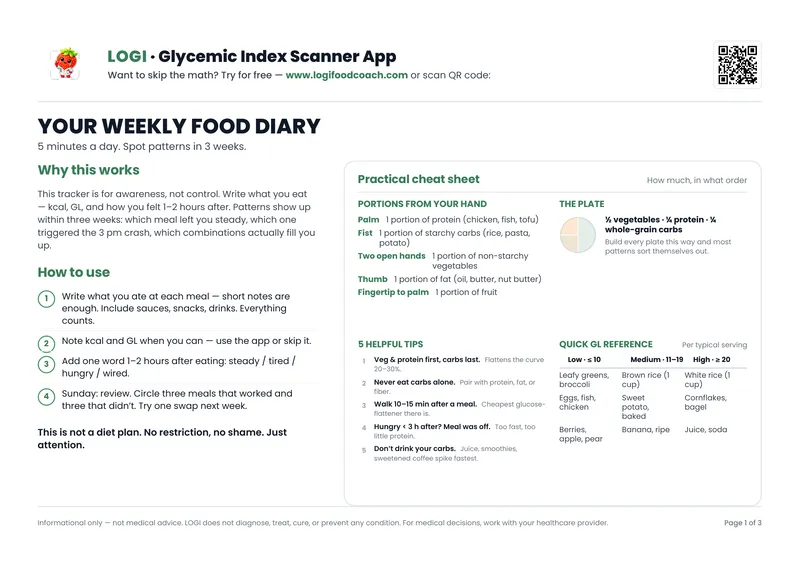
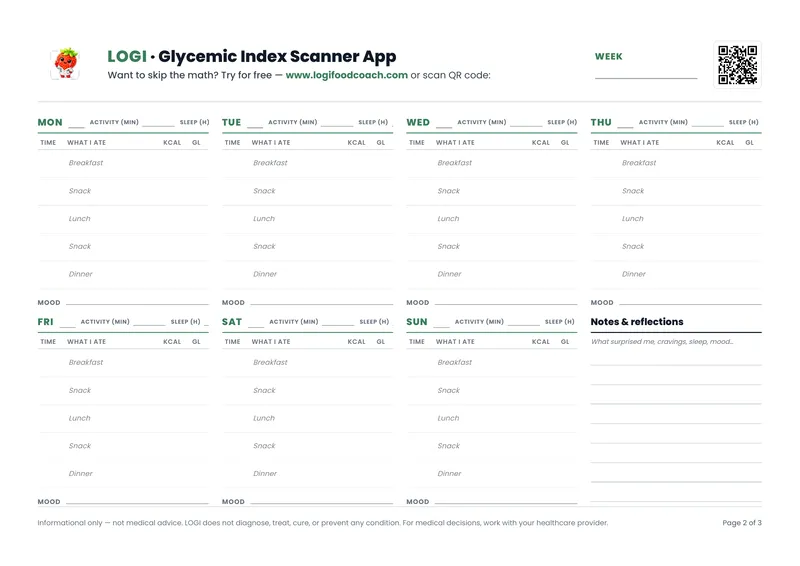
Free PDF — 3 pages
Your Weekly Food Journal
Track meals, glycemic load & mood. Spot patterns in 3 weeks.
No spam. Unsubscribe anytime.