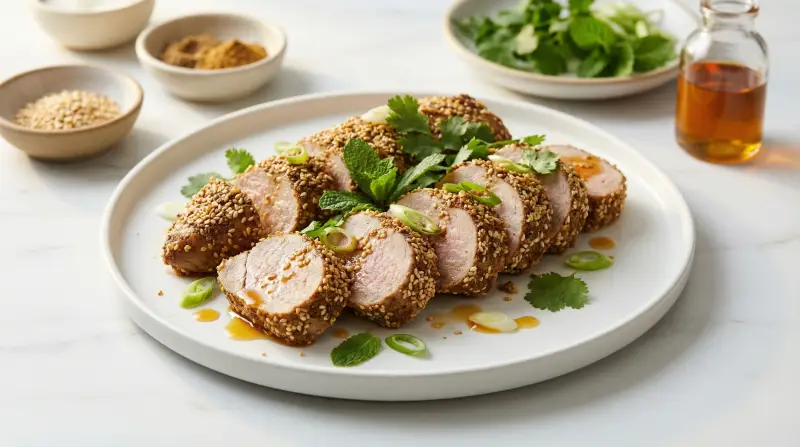
Sesame-Spiced Pork Tenderloin with Aromatic Asian Herbs
Tender pork medallions coated in toasted sesame and warming spices create a blood sugar-friendly protein centerpiece that's ready in under 30 minutes.
This aromatic pork tenderloin recipe showcases how lean protein paired with healthy fats and anti-inflammatory spices can create a satisfying meal that supports stable blood sugar levels. The combination of toasted sesame seeds and sesame oil provides heart-healthy monounsaturated fats that slow glucose absorption, while the protein-rich pork tenderloin has virtually zero impact on blood sugar.
The spice blend features coriander, cumin, and cinnamon—all known for their potential insulin-sensitizing properties. Cinnamon in particular has been studied for its ability to improve glucose metabolism. The cayenne pepper adds a metabolic boost while celery seed contributes minerals without carbohydrates. This dish is ideal for anyone managing diabetes or following a low-glycemic lifestyle.
For optimal blood sugar control, pair this tenderloin with non-starchy vegetables like roasted broccoli or sautéed bok choy, and consider adding a small portion of cauliflower rice instead of white rice. Eating your vegetables first, followed by this protein, can further minimize any glucose spike. The high protein content (approximately 26g per serving) promotes satiety and helps maintain steady energy levels for hours after your meal.
Blood Sugar Impact
Minimal blood sugar impact expected. This protein-rich meal with spices and herbs has an extremely low glycemic load (0.2) and will provide stable, sustained energy for 4-5 hours without causing significant glucose spikes.
Blood Sugar Tips
- ✓ Pair with non-starchy vegetables like broccoli, bok choy, or leafy greens to add fiber and further stabilize blood sugar
- ✓ Add a small portion of complex carbohydrates like quinoa or brown rice if needed for satiety, eating the protein first
- ✓ Take a 10-15 minute walk after eating to enhance insulin sensitivity and glucose uptake by muscles
🥗 Ingredients
- 2 tbsp sesame seeds
- 1 tsp ground coriander
- 0.125 tsp cayenne pepper
- 0.125 tsp celery seed
- 0.5 tsp minced dried onion
- 0.25 tsp ground cumin
- 0.125 tsp ground cinnamon
- 1 tbsp toasted sesame oil
- 16 oz pork tenderloin, trimmed
- 2 tbsp sesame seeds
- 1 tsp ground coriander
- 0.125 tsp cayenne pepper
- 0.125 tsp celery seed
- 0.5 tsp minced dried onion
- 0.25 tsp ground cumin
- 0.125 tsp ground cinnamon
- 1 tbsp toasted sesame oil
- 16 oz pork tenderloin, trimmed
👨🍳 Instructions
- 1
Position an oven rack in the center and preheat your oven to 400°F (200°C). Prepare a shallow baking dish by lightly coating it with cooking spray or a thin layer of oil to prevent sticking.
- 2
Place the sesame seeds in a dry skillet over medium-low heat. Toast them for 1-2 minutes, stirring constantly with a wooden spoon, until they turn golden brown and release a nutty, fragrant aroma. Immediately transfer the toasted seeds to a small bowl to stop the cooking process and prevent burning.
- 3
In a mixing bowl, combine the toasted sesame seeds with the ground coriander, cayenne pepper, celery seed, minced dried onion, ground cumin, ground cinnamon, and sea salt. Add the sesame oil and stir thoroughly until all the spices are evenly distributed and form a fragrant paste.
- 4
Slice the pork tenderloin crosswise into 4 equal medallions, each about 1 inch thick (approximately 4 ounces per medallion). Pat the pork pieces dry with paper towels to help the spice mixture adhere better.
- 5
Arrange the pork medallions in the prepared baking dish with space between each piece. Using your hands or a spoon, generously coat both sides of each medallion with the sesame-spice mixture, pressing gently so the coating adheres to the meat.
- 6
Place the baking dish in the preheated oven and roast for 12-15 minutes, until the pork is cooked through but still juicy. The internal temperature should reach 145°F (63°C) for medium doneness, followed by a 3-minute rest, or 160°F (71°C) for well-done.
- 7
Remove from the oven and let the pork rest for 3-5 minutes before serving. This allows the juices to redistribute throughout the meat. Serve immediately with non-starchy vegetables or a fresh green salad for optimal blood sugar control.
- 8
For best glycemic results, eat your vegetable side dish first, then enjoy the protein. This eating sequence has been shown to reduce post-meal glucose spikes by up to 40% compared to eating protein first.
📊 Nutrition Per Serving
| Per Serving | Whole Dish | |
|---|---|---|
| Calories | 223 | 890 |
| Carbs | 2g | 7g |
| Sugars | 0g | 0g |
| Natural Sugars | 0g | 0g |
| Protein | 26g | 105g |
| Fat | 11g | 42g |
| Saturated Fat | 2g | 9g |
| Unsaturated Fat | 8g | 33g |
| Fiber | 1g | 3g |
| Soluble Fiber | 0g | 1g |
| Insoluble Fiber | 1g | 2g |
| Sodium | 57mg | 230mg |
Predicted Glucose Response
What if you...
Estimated model — individual responses vary. Not medical advice.
🔄 Lower GI Swaps
These oils have zero glycemic impact and provide more monounsaturated fats that can improve insulin sensitivity and slow glucose absorption from other foods in the meal
Fresh aromatics have lower glycemic impact than dried versions and add fiber that slows sugar absorption, while providing more potent flavor compounds that enhance satiety
Ceylon cinnamon contains higher levels of compounds that improve insulin sensitivity and glucose metabolism, making it more effective at moderating blood sugar spikes than standard cassia cinnamon
These proteins contain higher omega-3 fatty acids and conjugated linoleic acid that improve insulin sensitivity and reduce post-meal glucose response compared to conventional lean pork
These spices contain compounds like piperine and curcumin that enhance insulin function and slow carbohydrate digestion, providing more direct blood sugar management benefits than cayenne alone
🔬 The Science Behind This Recipe
The Blood Sugar Science Behind This Recipe
This Sesame-Spiced Pork Tenderloin is a masterclass in blood sugar-friendly eating, with a remarkably low glycemic load of just 0.2 per serving. The secret lies in its protein-forward composition and strategic use of fiber-rich ingredients. Pork tenderloin provides high-quality protein and healthy fats that slow digestion and create a steady, gradual release of energy rather than a sharp glucose spike. When you eat protein with minimal carbohydrates, your body doesn't trigger the same insulin response as it would with a carb-heavy meal. The sesame seeds add another layer of metabolic benefit—they're packed with healthy fats, fiber, and lignans that further moderate blood sugar absorption while providing essential minerals like magnesium, which plays a crucial role in insulin sensitivity.
The aromatic herbs and spices in this recipe aren't just flavor enhancers—they're metabolic allies. Cayenne pepper contains capsaicin, which research suggests may improve insulin sensitivity and increase fat oxidation. Cilantro and celery seed contribute negligible carbohydrates while adding antioxidants that support overall metabolic health. The dried onion provides quercetin, a flavonoid that may help regulate glucose metabolism without adding significant carbs.
To maximize the blood sugar benefits of this meal, pair it with non-starchy vegetables like roasted broccoli or a crisp salad dressed with olive oil. Start your meal with the vegetables, then move to the protein—this "food sequencing" strategy can reduce post-meal glucose spikes by up to 73% according to some studies. A 10-15 minute walk after eating can further blunt any minor glucose rise, making this already excellent choice even more effective for maintaining steady energy levels throughout your day.
Related recipes
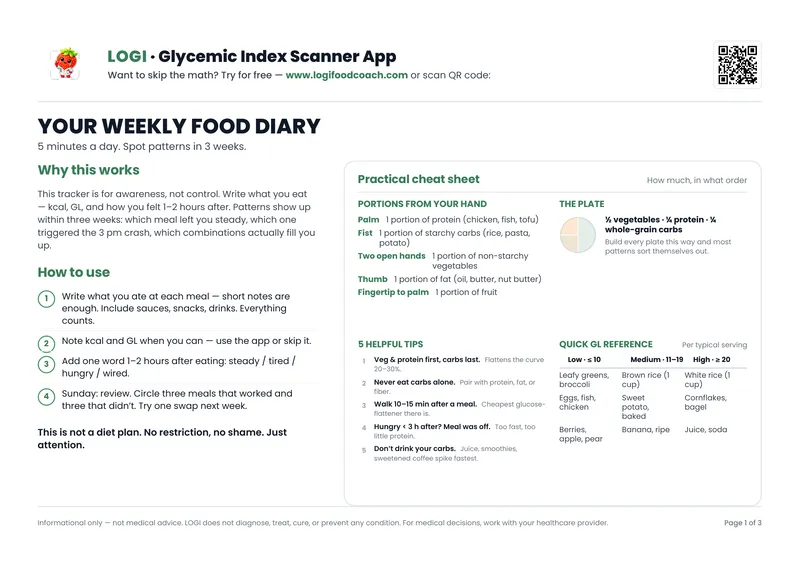
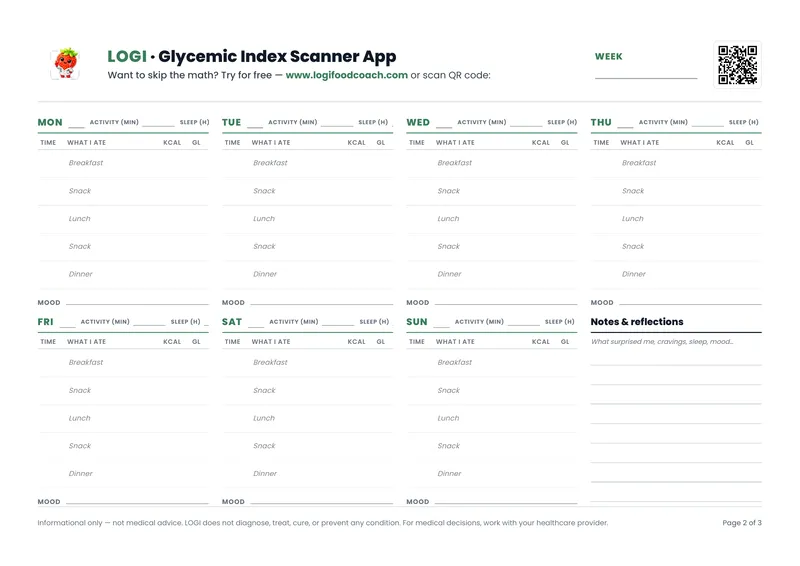
Free PDF — 3 pages
Your Weekly Food Journal
Track meals, glycemic load & mood. Spot patterns in 3 weeks.
No spam. Unsubscribe anytime.