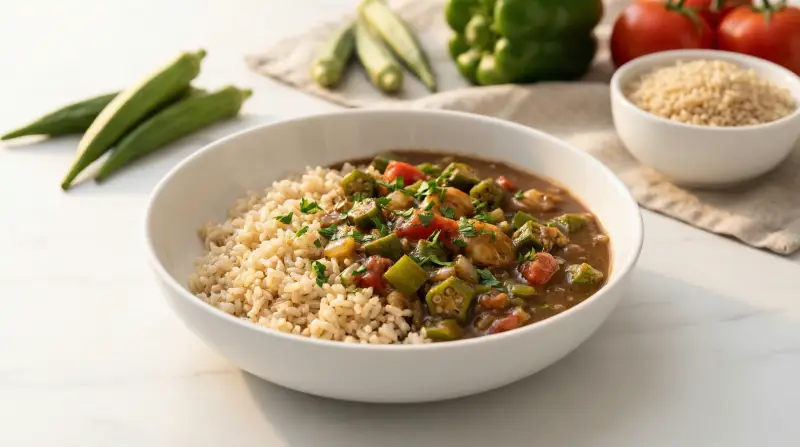
Gumbo z owocami morza przyjazne dla poziomu cukru (podawaj z ryżem kalafiorowym lub małą porcją brązowego ryżu)
Klasyk kuchni Luizjany w nowej odsłonie dla kontroli glikemii, z soczystymi krewetkami i krabem w bogatym roux pełnym warzyw, które nie podniesie poziomu cukru we krwi, gdy podasz je z ryżem kalafiorowym.
Ta zdrowsza wersja ukochanego gumbo z owocami morza z Luizjany dowodzi, że nie musisz rezygnować ze smaku, żeby kontrolować poziom cukru we krwi. Dzięki starannie przygotowanemu roux z mąki pełnoziarnistej i dużej ilości warzyw bogatych w błonnik, takich jak okra, seler i papryka, to danie oferuje autentyczny smak kreolski, jednocześnie utrzymując stabilny poziom glukozy. Połączenie chudego białka z krewetek i kraba zapewnia długotrwałą energię bez wahań poziomu cukru. Samo gumbo ma zaskakująco niski wpływ glikemiczny, co czyni je doskonałym wyborem dla każdego, kto kontroluje poziom cukru we krwi.
Sekretem korzystnego wpływu tego gumbo na poziom cukru tkwi w jego przemyślanej konstrukcji. Okra działa jako naturalny zagęstnik, dostarczając jednocześnie rozpuszczalnego błonnika, który spowalnia wchłanianie glukozy. Obfitość aromatycznych warzyw — świętej trójcy cebuli, selera i papryki — dodaje objętości i składników odżywczych bez znaczących węglowodanów wpływających na poziom cukru. Mąka pełnoziarnista w roux dostarcza więcej błonnika niż tradycyjna biała mąka, tworząc jednocześnie tę niezbędną bogatą, orzechową bazę.
Dla optymalnej kontroli glikemii zalecamy podawanie tego gumbo z ryżem kalafiorowym, który praktycznie nie wpływa na poziom cukru we krwi. Jeśli wolisz tradycyjny brązowy ryż, ogranicz porcję do 1/4 szklanki ugotowanego ryżu na osobę i jedz najpierw warzywa z owocami morza, a ryż na koniec. Ta kolejność jedzenia pomaga złagodzić reakcję glukozy. Zdrowe tłuszcze z oleju rzepakowego i białko z owoców morza dodatkowo spowalniają trawienie, tworząc sycące danie, które utrzymuje uczucie sytości przez wiele godzin. Podaj z prostą zieloną sałatką, aby dodać jeszcze więcej błonnika i stworzyć kompletny, przyjazny dla diabetyków obiad, który pokocha cała rodzina.
Wpływ na cukier we krwi
To gumbo powinno wywołać stopniowy, umiarkowany wzrost poziomu cukru we krwi dzięki niskiemu obciążeniu glikemicznemu 9,8 i zrównoważonemu połączeniu białka, warzyw bogatych w błonnik i mąki pełnoziarnistej. Możesz spodziewać się stabilnej energii przez 3-4 godziny bez znaczących skoków czy spadków.
Porady o cukrze
- ✓ Zjedz najpierw okrę i warzywa przed porcją ryżu, aby spowolnić wchłanianie glukozy dzięki zwiększonemu spożyciu błonnika
- ✓ Połącz posiłek z 10-15 minutowym spacerem po jedzeniu, aby pomóc mięśniom wykorzystać glukozę i złagodzić wzrost poziomu cukru
- ✓ Dodaj dodatkowe białko, takie jak krewetki lub ryba, do gumbo, aby jeszcze bardziej spowolnić trawienie i poprawić uczucie sytości
🥗 Składniki
- 6 tbsp olej rzepakowy
- 0.5 cup mąka pełnoziarnista
- 1 cup żółta cebula, posiekana
- 1 cup seler, posiekany
- 1 cup zielona papryka, posiekana
- 2 pcs świeże pomidory, posiekane
- 1 cup okra, świeża lub mrożona
- 1 tbsp kreolska mieszanka przypraw
- 2 pcs ząbki czosnku, posiekane
- 6 cup bulion rybny, niskosodowy
- 2 pcs liście laurowe
- 1 oz duże krewetki, obrane i oczyszczone
- 0.5 tsp wędzona papryka
- 12 oz mięso kraba w kawałkach
- 2 cup ugotowany brązowy ryż
- 1 cup świeża natka pietruszki, posiekana
- 6 tbsp olej rzepakowy
- 0.5 cup mąka pełnoziarnista
- 1 cup żółta cebula, posiekana
- 1 cup seler, posiekany
- 1 cup zielona papryka, posiekana
- 2 pcs świeże pomidory, posiekane
- 1 cup okra, świeża lub mrożona
- 1 tbsp kreolska mieszanka przypraw
- 2 pcs ząbki czosnku, posiekane
- 6 cup bulion rybny, niskosodowy
- 2 pcs liście laurowe
- 1 oz duże krewetki, obrane i oczyszczone
- 0.5 tsp wędzona papryka
- 12 oz mięso kraba w kawałkach
- 2 cup ugotowany brązowy ryż
- 1 cup świeża natka pietruszki, posiekana
👨🍳 Instrukcje
- 1
Przygotuj wszystkie składniki przed rozpoczęciem: posiekaj warzywa na równe kawałki, odmierz przyprawy, obierz i oczyść krewetki, odsącz mięso kraba i przygotuj 6 szklanek bulionu rybnego. Ta organizacja jest niezbędna, ponieważ roux wymaga stałej uwagi i nie można go zostawić bez nadzoru.
- 2
Przygotuj bazę roux, podgrzewając 6 łyżek oleju rzepakowego w dużym garnku z grubym dnem na średnim ogniu. Stopniowo wmieszaj 1/2 szklanki mąki pełnoziarnistej, mieszając ciągle ruchem ósemki. Gotuj i mieszaj bez przerwy przez 12-15 minut, aż mieszanka osiągnie kolor mlecznej czekolady. Uważaj, aby nie przypalić, co wymagałoby rozpoczęcia od nowa.
- 3
Gdy roux osiągnie odpowiedni kolor, natychmiast dodaj 1 szklankę posiekanej cebuli, 1 szklankę posiekanego selera i 1 szklankę posiekanej zielonej papryki (święta trójca). Mieszaj ciągle przez 5-6 minut, aż warzywa zmiękną i puszczą wilgoć. Dodaj 4 posiekane ząbki czosnku, 1 łyżkę kreolskiej mieszanki przypraw, 2 posiekane świeże pomidory i 1 szklankę okry, gotując kolejne 3 minuty, mieszając, aby równomiernie rozprowadzić roux.
- 4
Stopniowo wlej 6 szklanek bulionu rybnego, mieszając, aby zapobiec tworzeniu się grudek. Dodaj 2 liście laurowe, 1 łyżeczkę soli i 1/2 łyżeczki czarnego pieprzu. Zwiększ ogień do średnio-wysokiego i doprowadź mieszankę do delikatnego wrzenia. Po zagotowaniu zmniejsz ogień do niskiego i gotuj bez przykrycia przez 30 minut, od czasu do czasu mieszając. Gumbo zgęstnieje, gdy okra uwalnia swój naturalny śluz, a smaki się łączą.
- 5
Podczas gdy baza gumbo się gotuje, przypraw 450 g obranych i oczyszczonych krewetek, posypując je równomiernie 1 łyżeczką wędzonej papryki. Odstaw. W ostatnich 5 minutach gotowania spróbuj gumbo i dostosuj przyprawy w razie potrzeby, pamiętając, że owoce morza dodadzą własnego słonego smaku.
- 6
Dodaj 225 g mięsa kraba w kawałkach i krewetki przyprawione papryką do gotującego się gumbo. Mieszaj delikatnie, aby nie rozbić kawałków kraba. Gotuj przez 5-7 minut, aż krewetki staną się różowe i nieprzezroczyste w całości. Wyjmij i wyrzuć liście laurowe.
- 7
Aby podać w sposób przyjazny dla poziomu cukru, nakładaj gumbo z owocami morza hojnie do podgrzanych misek, upewniając się, że każda porcja zawiera dużo krewetek i kraba. Dla najlepszej kontroli glikemii podawaj z 1 szklanką ryżu kalafiorowego na osobę (zalecane), lub jeśli używasz brązowego ryżu, ogranicz do 1/4 szklanki ugotowanego brązowego ryżu na porcję. Udekoruj 2 łyżkami świeżo posiekanej natki pietruszki. Dla optymalnego zarządzania poziomem cukru zachęcaj, aby najpierw jeść owoce morza i warzywa, a dopiero potem ryż. Podaj ostry sos na boku dla tych, którzy wolą dodatkową ostrość.
📊 Wartości odżywcze na porcję
| Na porcję | Całe danie | |
|---|---|---|
| Kalorie | 312 | 2494 |
| Węglowodany | 24g | 194g |
| Cukry | 3g | 22g |
| Cukry naturalne | 3g | 22g |
| Białko | 28g | 221g |
| Tłuszcz | 12g | 99g |
| Tłuszcz nasycony | 1g | 9g |
| Tłuszcze nienasycone | 11g | 87g |
| Błonnik | 4g | 30g |
| Błonnik rozpuszczalny | 1g | 5g |
| Błonnik nierozpuszczalny | 1g | 11g |
| Sód | 1341mg | 10727mg |
Przewidywana odpowiedź glukozowa
A gdybyś...
Model szacunkowy — indywidualne reakcje mogą się różnić. To nie porada medyczna.
🔄 Zamienniki o niższym IG
Brązowy ryż ma indeks glikemiczny około 68, co jest wartością średnią i może powodować wzrost poziomu cukru pomimo statusu pełnego ziarna. Ryż kalafiorowy zapewnia tę samą teksturę z 90% mniejszą ilością węglowodanów i znikomym wpływem glikemicznym, co czyni go lepszym wyborem dla kontroli poziomu cukru. Ryż shirataki oferuje zerowy wpływ glikemiczny dla tych, którzy szukają najściślejszej kontroli. Te alternatywy warzywne pozwalają cieszyć się pełną porcją gumbo bez obaw o skoki poziomu cukru.
Choć mąka pełnoziarnista jest lepsza niż biała, alternatywne mąki mogą jeszcze bardziej zmniejszyć wpływ glikemiczny roux. Mąka migdałowa tworzy bogate, orzechowe roux z praktycznie zerową zawartością węglowodanów. Mąka kokosowa jest bardzo chłonna i wymaga mniejszej ilości, redukując całkowite węglowodany. Mąka z łubinu zapewnia wyjątkową zawartość białka i błonnika. Pamiętaj, że te alternatywy stworzą nieco inną teksturę i smak, więc może być potrzebne eksperymentowanie, aby osiągnąć preferowaną konsystencję.
Choć olej rzepakowy jest zdrowym wyborem bez wpływu glikemicznego, oliwa z oliwek extra virgin dostarcza dodatkowych przeciwzapalnych polifenoli, które mogą poprawić wrażliwość na insulinę. Olej z awokado oferuje wyższą temperaturę dymienia do przygotowania roux na wysokiej temperaturze, zachowując neutralny profil smakowy. Obie alternatywy zapewniają te same korzyści dla poziomu cukru co olej rzepakowy, oferując jednocześnie dodatkowe zalety zdrowotne.
🔬 Nauka za tym przepisem
Wyjątkowa przyjazność tego gumbo dla poziomu cukru wynika z wielu synergicznych czynników. Okra dostarcza rozpuszczalnego błonnika, który tworzy żel w przewodzie pokarmowym, fizycznie spowalniając wchłanianie węglowodanów i powodując stopniowe uwalnianie glukozy zamiast gwałtownego skoku. Mąka pełnoziarnista w roux dostarcza dodatkowego błonnika i ma niższy indeks glikemiczny niż biała mąka, a niewielka użyta ilość (1/2 szklanki na 8 porcji) oznacza minimalny wpływ węglowodanów na porcję. Obfite białko z krewetek i kraba wyzwala uwalnianie hormonów inkretynowych, które poprawiają wrażliwość na insulinę i spowalniają opróżnianie żołądka, dodatkowo łagodząc reakcję poziomu cukru. Zdrowe jednonienasycone tłuszcze w oleju rzepakowym również spowalniają trawienie i poprawiają odpowiedź glikemiczną. Warzywa świętej trójcy — cebula, seler i papryka — zawierają bardzo mało przyswajalnych węglowodanów, ale dużo błonnika i wody, dodając objętości i sytości bez wpływu na glukozę. Gdy podane z ryżem kalafiorowym zamiast ryżu zbożowego, to danie ma praktycznie zerowy wpływ glikemiczny poza niewielką ilością z roux i warzyw. Nawet z kontrolowaną porcją 1/4 szklanki brązowego ryżu, ogólne obciążenie glikemiczne pozostaje umiarkowane dzięki buforującemu działaniu białka, tłuszczu i błonnika.
Podobne przepisy
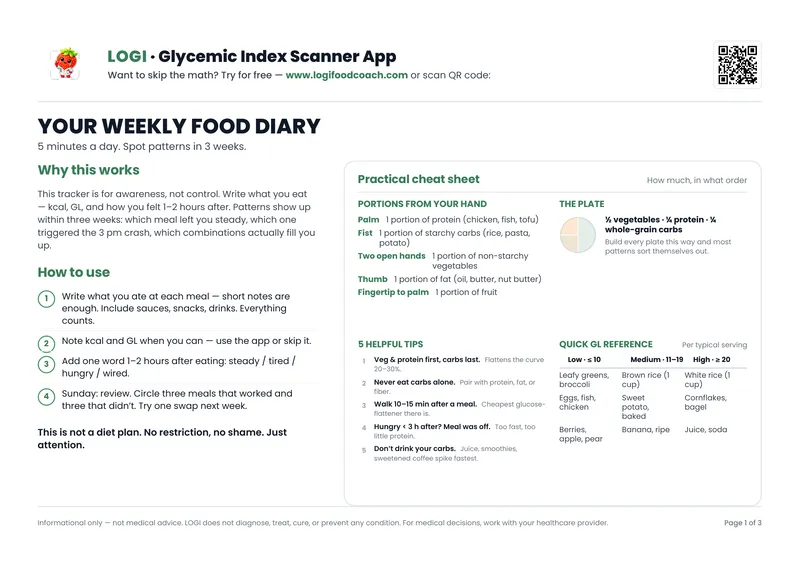
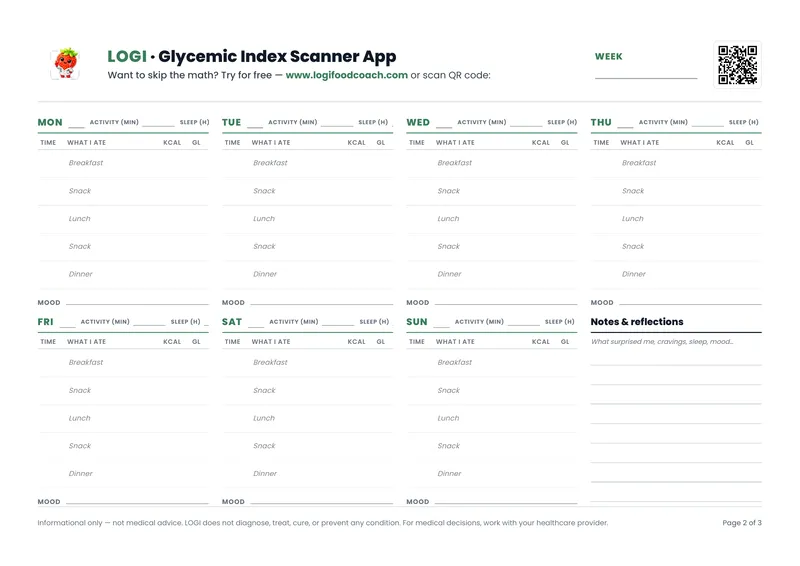
Darmowy PDF — 3 strony
Tygodniowy dziennik jedzenia
Notuj posiłki, ładunek glikemiczny i samopoczucie. Wzorce widać po 3 tygodniach.
Zero spamu. Wypisz się kiedy chcesz.