Lav GI Måltidsforberedelse: 3-dagers Plan for Nybegynnere
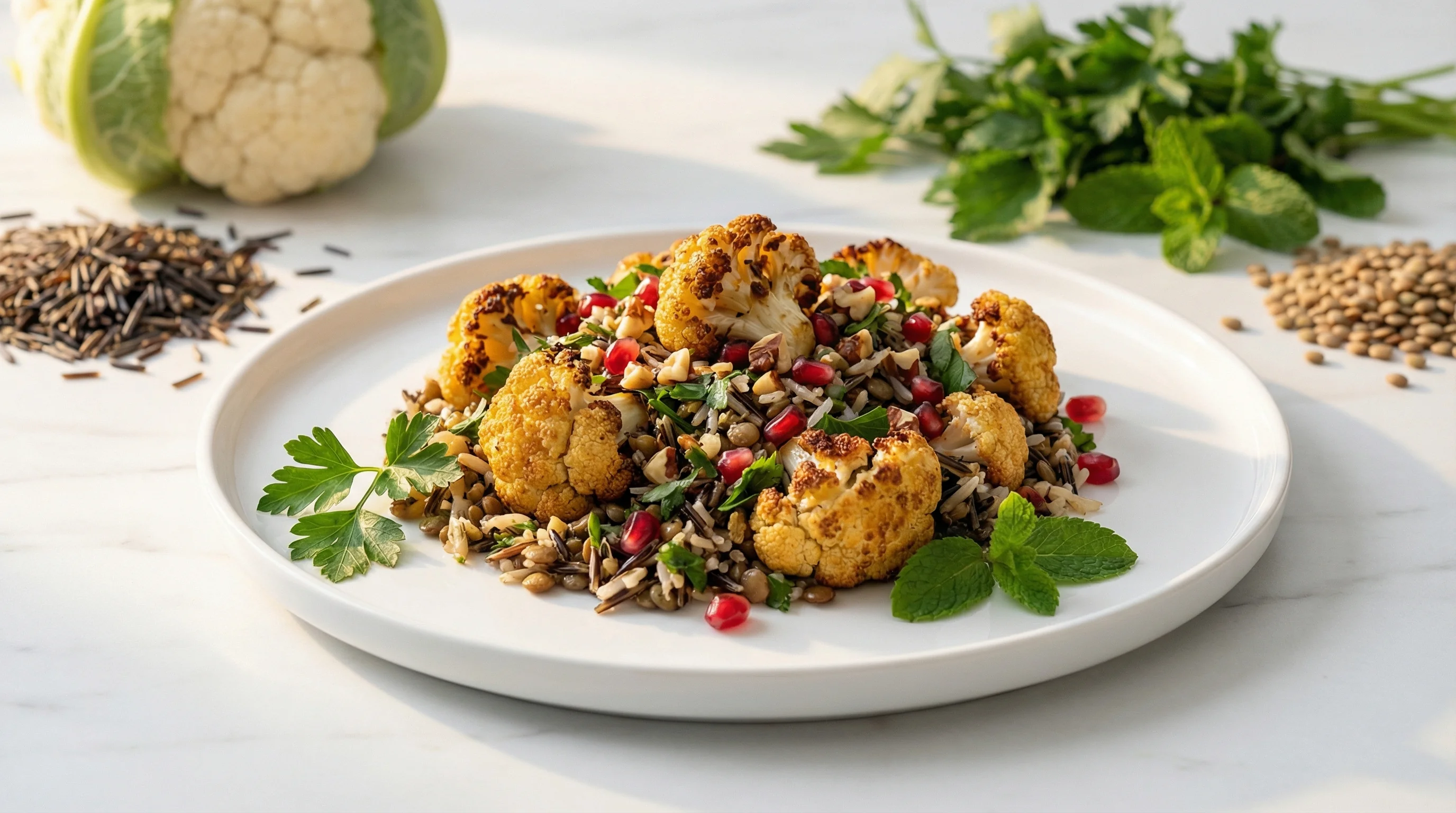
The Low Glycemic Diet: A Beginner’s Guide
The low glycemic (low-GI) diet is based on how foods affect your blood sugar levels. It’s a way of eating that prioritizes foods that cause a slow and steady rise in blood sugar, rather than a rapid spike. This approach can be beneficial for weight management, improving energy levels, and managing conditions like diabetes.
Understanding the Glycemic Index (GI)
The glycemic index (GI) is a ranking system for carbohydrates on a scale of 0 to 100. It measures how quickly a food causes your blood sugar to rise after eating it.
- High-GI Foods (70 or more): These foods are rapidly digested and cause a significant spike in blood sugar. Examples include white bread, white rice, and potatoes.
- Medium-GI Foods (56-69): These foods have a moderate effect on blood sugar levels. Examples include whole wheat bread, brown rice, and sweet potatoes.
- Low-GI Foods (55 or less): These foods are digested slowly and cause a gradual rise in blood sugar. Examples include most fruits, vegetables, legumes, and whole grains.
Benefits of a Low-GI Diet
Following a low-GI diet can offer several potential health benefits:
- Improved Blood Sugar Control: By choosing foods that release glucose slowly, you can help stabilize blood sugar levels, which is particularly important for people with diabetes or insulin resistance.
- Weight Management: Low-GI foods often lead to increased satiety and reduced cravings, potentially aiding in weight loss or maintenance.
- Increased Energy Levels: Avoiding blood sugar spikes and crashes can lead to more stable and sustained energy levels throughout the day.
- Reduced Risk of Chronic Diseases: Some studies suggest that a low-GI diet may lower the risk of heart disease, type 2 diabetes, and certain types of cancer.
Incorporating Low-GI Foods into Your Diet
Here’s how to start incorporating low-GI foods into your daily meals:
- Choose Whole Grains: Opt for whole wheat bread, brown rice, quinoa, and oats instead of refined grains like white bread and white rice.
- Load Up on Non-Starchy Vegetables: Vegetables like broccoli, spinach, and carrots have a low GI and are packed with nutrients.
- Enjoy Fruits in Moderation: Most fruits have a low to medium GI, but it’s best to choose whole fruits over fruit juices, which can be high in sugar.
- Include Lean Protein and Healthy Fats: These can help slow down the absorption of glucose and keep you feeling full.
- Read Food Labels: Pay attention to the fiber content and sugar content of packaged foods. Higher fiber and lower sugar generally indicate a lower GI.
Low-GI Food List Examples
Here are some examples of low, medium, and high-GI foods:
| Food | GI Value |
|---|---|
| White Bread | 75 |
| Brown Rice | 68 |
| White Rice | 73 |
| Sweet Potato | 63 |
| Apple | 36 |
| Banana | 51 |
| Carrots | 47 |
| Chickpeas | 28 |
| Kidney Beans | 24 |
| Whole Wheat Bread | 56 |
Factors Affecting GI
Several factors can influence a food’s GI value:
- Ripeness: Riper fruits tend to have a higher GI.
- Processing: Highly processed foods generally have a higher GI.
- Cooking Method: Cooking methods like boiling can increase the GI of some foods.
- Combination with Other Foods: Eating high-GI foods with protein, fat, or fiber can lower the overall glycemic response.
The LOGI Approach
The LOGI method (Low Glycemic and Insulinemic Diet) takes the principles of the low-GI diet a step further by also considering the insulinemic index (II) of foods. The II measures how much a food raises insulin levels. LOGI focuses on minimizing both blood sugar and insulin spikes.
Getting Started with LOGI
If you are interested in following a LOGI diet, here are some tips:
- Consult a Healthcare Professional: Talk to your doctor or a registered dietitian before making significant changes to your diet, especially if you have any underlying health conditions.
- Use the LOGI Food Coach: Consider using the LOGI Food Coach app, available on the App Store and Google Play, to help you make informed food choices.
- Start Gradually: Begin by making small changes to your diet, such as swapping white bread for whole wheat bread or drinking water instead of sugary beverages.
- Monitor Your Blood Sugar: If you have diabetes, monitor your blood sugar levels regularly to see how the diet is affecting you.
By understanding the glycemic index and incorporating low-GI foods into your diet, you can take control of your blood sugar levels, improve your overall health, and achieve your weight management goals. Remember to consult with a healthcare professional before making any major dietary changes.
Ta kontroll over blodsukkeret ditt
Skann måltidene dine, følg glykemisk belastning og se mønstrene dine — alt i én app.
Prøv gratis →